Discover the History, Landscapes, Flora, Fauna, and Hiking Circuits of Andringitra National Park in Madagascar
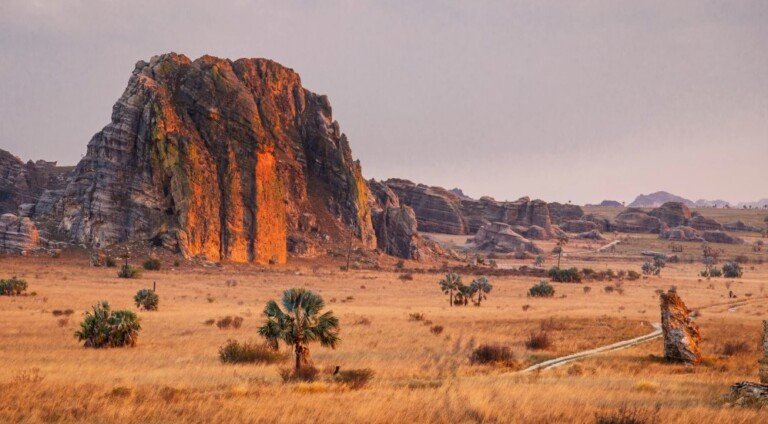
Andringitra National Park is one of Madagascar’s most spectacular and ecologically diverse protected areas. Located in the south-central highlands of the island, near Ambalavao, the park is renowned for its dramatic mountain scenery, deep valleys, cascading waterfalls, and exceptional biodiversity. Home to some of the highest peaks in Madagascar, Andringitra offers a striking contrast between alpine landscapes and lush lowland forests.
Celebrated by hikers, scientists, and nature enthusiasts alike, Andringitra National Park combines geological grandeur with rich biological diversity and strong cultural heritage. This article explores the park’s historical background, its varied flora and fauna, and the hiking circuits that make it one of Madagascar’s premier adventure and conservation destinations.
Historical and Cultural Background of Andringitra National Park
The history of Andringitra National Park is closely linked to the cultural traditions of Madagascar’s highland communities. The region has long been inhabited by the Betsileo people, who practiced terraced agriculture and cattle herding while maintaining spiritual ties to the surrounding mountains. Peaks, caves, and forests were traditionally considered sacred, governed by ancestral customs that limited resource exploitation.
During the colonial period under French administration, Andringitra attracted scientific interest due to its unusual geology and high-altitude ecosystems. Early botanical and geological surveys revealed the area’s exceptional diversity, leading to increased calls for protection.
Formal conservation efforts began in the late 20th century, and in 1999 the area was officially designated as a national park. Management responsibility was entrusted to Madagascar National Parks (MNP), with conservation strategies emphasizing biodiversity protection, watershed preservation, and sustainable tourism.
Today, Andringitra National Park is recognized as a key component of Madagascar’s protected area network. Community-based initiatives provide employment through guiding, portering, and hospitality services, ensuring that conservation benefits local livelihoods.
Exploring the Diverse Flora of Andringitra National Park
The flora of Andringitra National Park is exceptionally diverse due to its wide range of elevations, which span from approximately 650 meters to over 2,600 meters above sea level. This altitude gradient creates a mosaic of ecosystems, ranging from dry savanna and montane forest to high-altitude grasslands and rocky outcrops.
Lower elevations are dominated by dry forest and savanna vegetation, featuring hardy shrubs and fire-resistant grasses. As altitude increases, these give way to humid montane rainforest rich in endemic trees, ferns, and epiphytes. Orchids, mosses, and lichens thrive in the cool, misty conditions of the upper slopes.
One of the park’s most distinctive plant species is Aloe andringitrensis, an endemic succulent adapted to rocky, high-altitude environments. The iconic traveler’s palm (Ravenala madagascariensis) appears in sheltered valleys, highlighting the park’s ecological transitions.
Above the treeline, alpine vegetation dominates, with low-growing plants specially adapted to strong winds, intense sunlight, and cold temperatures. These fragile plant communities are of great scientific interest and require careful management to prevent degradation.
Conservation efforts focus on controlling wildfires, managing grazing pressure, and monitoring climate impacts on high-altitude ecosystems.
The Fauna of Andringitra National Park: Wildlife from Lowlands to Alpine Zones
Andringitra National Park supports a wide range of animal species adapted to its varied habitats. Its isolation and ecological complexity have resulted in high levels of endemism, making the park a priority area for wildlife conservation.
Lemurs are among the most notable mammals in the park. Species include the ring-tailed lemur (Lemur catta) in lower areas and the diademed sifaka (Propithecus diadema) in forested zones. Smaller nocturnal lemurs inhabit dense vegetation and are occasionally observed during night walks.
Birdlife is particularly rich, with numerous endemic and highland-adapted species. Raptors soar above cliffs and ridgelines, while forest birds inhabit lower slopes and valleys. Reptiles and amphibians are present in suitable habitats, especially near streams and forest edges.
Invertebrates, including butterflies and beetles, contribute to pollination and nutrient cycling, supporting the park’s ecological balance. Mammals such as tenrecs and rodents occupy a variety of niches across elevation zones.
The survival of Andringitra’s fauna depends on maintaining intact habitats and ecological connectivity across the park’s elevation range.
Hiking Circuits and Adventure Activities
Andringitra National Park is widely regarded as Madagascar’s premier hiking and mountaineering destination. Its extensive network of trails offers experiences ranging from gentle valley walks to demanding multi-day treks and summit ascents.
One of the most popular objectives is the ascent of Pic Boby, also known as Imarivolanitra, the second-highest peak in Madagascar. The climb rewards hikers with panoramic views across the highlands and is achievable with proper preparation and guidance.
Other circuits lead through waterfalls, forested valleys, and remote mountain plateaus. Multi-day treks allow visitors to explore diverse ecosystems while camping in designated areas. All hiking activities require local guides and often porters, ensuring safety and supporting community livelihoods.
The best hiking seasons are during the dry months, when trails are more accessible and weather conditions are stable. Visitors should be prepared for sudden temperature changes and challenging terrain.
Conclusion: Why Andringitra National Park Is a Highlight of Madagascar’s Natural Heritage
Andringitra National Park offers a rare combination of dramatic mountain landscapes, rich biodiversity, and deep cultural significance. Its range of ecosystems—from dry lowlands to alpine summits—makes it one of the most ecologically diverse protected areas in Madagascar.
From sacred highland traditions and endemic plant species to iconic lemurs and unforgettable hiking circuits, Andringitra provides an exceptional experience for travelers seeking adventure and natural beauty. As a model of conservation and community engagement, Andringitra National Park stands as a testament to Madagascar’s extraordinary environmental heritage.
Tour that may interest you
No pages found.
No pages found.