The Wild Shores of Southwest Madagascar: A Guide to Untamed Beaches and Vezo Culture
The southwestern coast of Madagascar presents a dramatic and starkly beautiful contrast to the classic tropical idyll. This is not a land of endless palm-fringed resorts; it is a region of raw, untamed nature, where the arid spiny forests of the interior meet the powerful currents of the Mozambique Channel. The beaches here are vast, wild, and often utterly deserted, offering a sense of isolation and adventure found in few other places on Earth. This extensive coastline, stretching roughly from the mining town of Toliara (Tuléar) south to the remote village of Itampolo, is a destination for true travelers—those seeking authenticity, profound natural beauty, and a glimpse into the resilient culture of the Vezo people, the nomadic seafarers who call these shores home. This article explores the unique character, key destinations, incredible biodiversity, and essential travel tips for navigating this remarkable and challenging region.
A Land Shaped by Extremes: The Environment of the Southwest
To understand the beaches of southwestern Madagascar, one must first understand the environment that creates them. This is a land of profound contrasts.
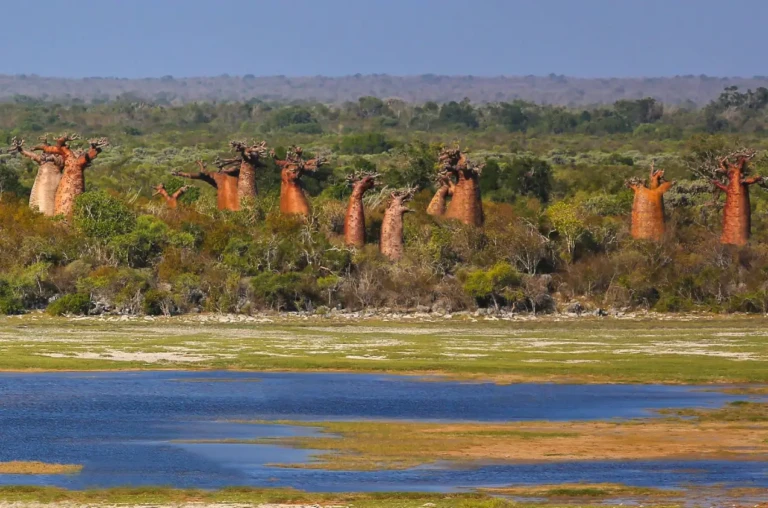
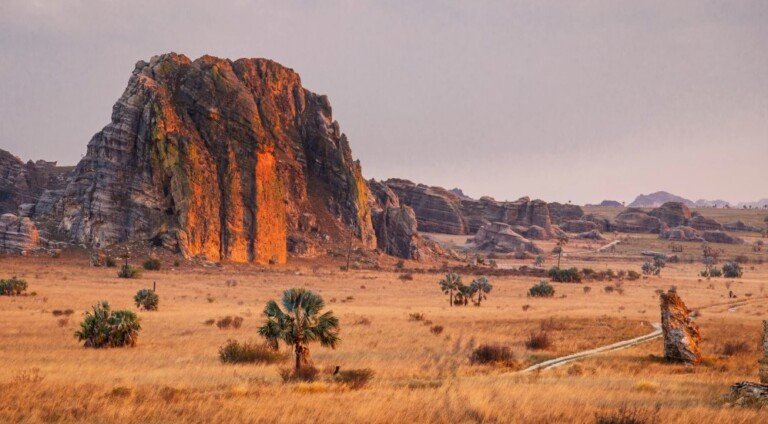
Climate and “The Spiny Forest”: The region is characterized by a semi-arid to arid climate. It lies in the rain shadow of the central highlands, receiving significantly less rainfall than the east coast. This has given rise to one of Madagascar‘s most unique and endemic biomes: the Spiny Forest (or Spiny Desert). This extraordinary ecosystem is populated by bizarrely shaped, drought-resistant plants like the towering, bottle-shaped baobabs (including the famous Adansonia grandidieri), thorny octopus trees, and dense, impenetrable thickets of euphorbias. The Spiny Forest runs right up to the coastline, creating a stunning visual where these ancient, alien-like plants stand sentinel over pristine white sand beaches and turquoise waters.
The Mozambique Channel: The waters of the Mozambique Channel are dynamic and rich. Powerful currents flow along the coast, bringing nutrients that support an incredible abundance of marine life. However, these same currents can make swimming dangerous in many areas, and the sea is often rough. This is not a calm, lagoon-like coast but a wild, oceanic one. The fishing, as a result, is exceptional, forming the bedrock of life for the local Vezo people.
The Coral Reef: A fringing coral reef runs parallel to much of the southwestern coast, creating a more protected lagoon environment in certain areas. This reef is the key to the region’s marine biodiversity, providing habitat for countless species of fish, sea turtles, and invertebrates. It also protects the shoreline from the full force of the ocean’s waves, creating the calmer, swimmable pockets that dot the coast.
The Vezo People: Nomads of the Sea
No account of this region is complete without acknowledging the Vezo. They are not merely inhabitants of the coast; they are an intrinsic part of its identity. The Vezo are a semi-nomadic ethnic group whose name means “to struggle with the sea.” Their entire culture, identity, and economy are inextricably linked to the ocean.
They are renowned for their exceptional maritime skills, navigating the often-treacherous waters in their wooden pirogues (dugout canoes or outriggers), which are often painted with colorful, symbolic designs. They are master fishermen, using lines, nets, and spears to harvest the sea’s bounty. Their villages are temporary, often moving with the seasons or the fishing stocks. Seeing a Vezo village is a sight to behold: dozens of pirogues pulled up on the sand, and simple huts made from woven reeds and driftwood.
Their philosophy is one of profound respect for the ocean that provides for them. Travelers to this region will have the privilege of witnessing this unique way of life, which has remained largely unchanged for centuries. It is a humbling and fascinating cultural experience.
Exploring the Key Beach Destinations of the Southwest
The southwestern coast is vast and access is often difficult, requiring a 4×4 vehicle and a spirit of adventure. Here are some of its most notable destinations:
Ifaty & Mangily: Located about 27 kilometers north of Toliara, this is the most accessible and developed beach area in the southwest. It actually consists of two villages: Ifaty (more of a fishing village) and Mangily (where most hotels and lodges are concentrated). The beach is long and sandy, backed by rows of coconut palms. The main attraction here is the massive offshore coral reef, which creates a giant lagoon. This makes it one of the best spots in the region for snorkeling and diving, with opportunities to see sea turtles, reef sharks, and a kaleidoscope of tropical fish. It is also a famous destination for whale watching (June-September) as humpback whales migrate through the channel.
Renowned for its incredible diving and snorkeling within a vast lagoon. A gateway to the spiny forests and baobabs.
Salary Bay (Baie des Salary): Further north from Ifaty lies the spectacular Salary Bay. This is a more remote and exclusive destination, often described as a tropical paradise. The bay is a large, horseshoe-shaped indentation in the coastline, offering calmer, protected waters and a stunning, long white-sand beach. The area is far less developed than Ifaty, with only a handful of high-end, eco-friendly lodges. It is the perfect place for total seclusion, beachcombing, and kayaking on the serene waters. The sense of isolation and untouched beauty here is unparalleled.
Renowned for its breathtaking, secluded bay and sense of remote luxury. Ideal for relaxation and water sports in a protected environment.
Anakao: Accessible only by boat from Toliara (a 1-2 hour journey), Anakao feels a world away. This Vezo village is a vibrant hub of activity, with colorful pirogues lining the main beach. The village itself is a fascinating cultural experience. South of the village, the coast opens up to miles of deserted, pristine beaches. The offshore Nosy Ve island, a sacred site for the Vezo, is a short boat ride away and offers some of the best snorkeling in the area, with a high chance of encountering sea turtles. Anakao provides a more authentic and rustic experience compared to Ifaty.
Renowned for its authentic Vezo culture and access to the sacred island of Nosy Ve. A blend of cultural immersion and beach relaxation.
Andavadoaka & Nosy Hao: Venturing further south, the journey becomes more adventurous. Andavadoaka is a large Vezo village that has become a center for marine conservation thanks to the work of Blue Ventures, an NGO. The area is part of the Velondriake Community-Managed Protected Area, one of the largest of its kind in the Indian Ocean. The marine life here is exceptionally rich due to conservation efforts. Nearby Nosy Hao is a small, idyllic island with a beautiful beach, offering a perfect desert-island experience for a day trip.
Renowned for its world-class community-based marine conservation projects and exceptional, protected biodiversity.
The “Route du Sud” to Itampolo: For the ultimate adventure, the rough track known as the “Route du Sud” continues south from Andavadoaka to Itampolo and beyond. This is expedition-level travel, passing through incredibly remote landscapes where the Spiny Forest meets the sea. The beaches along this route are truly wild and untouched. You are likely to have miles of coastline entirely to yourself, sharing it only with the occasional Vezo fisherman. This is for travelers seeking absolute solitude and raw, frontier-like beauty.
Renowned for its extreme remoteness, challenging access, and utterly pristine, deserted beaches for the intrepid explorer.
Flora and Fauna: From Baobabs to Whale Sharks
The biodiversity of the southwest is a major draw, both on land and in the sea.
- Baobabs: The region is famous for the Grandidier’s baobab (Adansonia grandidieri), the most iconic of Madagascar’s baobabs. The Avenue of the Baobabs is further north, but the southwest has its own spectacular baobab landscapes, including the sacred “Baobab Amoureux” (Lover’s Baobab) near Andavadoaka.
- Marine Life: The nutrient-rich waters support an astounding array of life. This includes seasonal visitors like humpback whales (June-Sept) and the elusive whale shark, the world’s largest fish. Reef sharks, rays, dolphins, and sea turtles are commonly seen. The coral reefs, while facing global threats, remain vibrant and full of fish.
- Birdlife: The coastal scrub and spiny forest are home to numerous endemic bird species, making it a fantastic destination for birdwatchers.
Practicalities and Travel Tips for the Southwest
Travel here requires careful planning and managed expectations.
- Access: The main entry point is Toliara (Tuléar), which has an airport with flights from Antananarivo. From Toliara, you will need a 4×4 vehicle to navigate the sandy, rough tracks that connect the coastal villages. Boats are essential for reaching places like Anakao.
- Accommodation: Options range from basic, rustic beach bungalows (especially in Anakao and further south) to comfortable, mid-range lodges in Ifaty/Mangily, and exclusive, high-end eco-lodges in Salary Bay.
- Best Time to Visit: The dry season, from April to November, is unequivocally the best time to visit. During these months, rainfall is minimal, roads are at their most passable (though still challenging), and the skies are clear. The peak season for optimal weather is between May and October. Specifically, for whale watching, plan your trip between June and September. The rainy season (December to March) should be avoided, as torrential downpours can render roads completely impassable and the risk of cyclones is high.
- Packing Essentials: This is not a resort destination. Packing must be strategic. Essentials include: strong sunscreen and a wide-brimmed hat for the intense sun, high-quality insect repellent, sturdy, closed-toe shoes for walking in the spiny forest, snorkeling gear (though some lodges rent it), a reliable flashlight or headlamp, cash (ATMs are scarce outside Toliara), and all necessary medications, as pharmacies are limited.
- Cultural Sensitivity: Always ask for permission before taking photographs of the Vezo people or their villages. A friendly smile and a simple gesture asking “photo?” is the respectful approach. Support the local economy by hiring local guides and buying directly from artisans.
Conclusion: The Call of the Wild Coast
The beaches of southwest Madagascar are not for everyone. They demand flexibility, patience, and a spirit of adventure. You will trade room service for the sound of the waves and five-star luxury for the million-star ceiling of the African night sky.
But the rewards are immeasurable. It is the reward of witnessing a way of life harmonized with the sea, of seeing a breaching humpback whale from a traditional pirogue, of walking a beach where your footprints may be the only ones that day. This coast offers a profound connection to nature and culture that is increasingly rare in the modern world. It is a rugged, authentic, and utterly unforgettable chapter in any traveler’s story, showcasing a side of Madagascar that is as raw and powerful as nature itself.