
Fort Dauphin, Madagascar: A Complete Guide to Beaches, Biodiversity, and French Colonial History
Nestled on a narrow peninsula at the southeastern tip of Madagascar, the town of Fort Dauphin (officially known as Tôlanaro) is a destination of breathtaking contrasts and often-overlooked beauty. Framed by the rugged, forest-clad Pic St Louis and the endless expanse of the Indian Ocean, this remote region offers a unique blend of stunning natural landscapes, fascinating French colonial history, and some of the most spectacular and untouched beaches on the island. Unlike the more frequented destinations of Nosy Be or Ile Sainte-Marie, Fort Dauphin provides an off-the-beaten-path adventure for travelers seeking authenticity, world-class surfing, and incredible biodiversity, including its own “ring-tailed” lemurs. This comprehensive guide explores everything you need to know: from its epic beaches and must-visit attractions to its complex history and essential travel tips.
Unpacking the Name: Tôlanaro vs. Fort Dauphin
The town carries two names, a testament to its layered history:
- Fort Dauphin: The name given by the French in 1643 when they established their first settlement on the island here. It was named in honor of the future King Louis XIV, then the Dauphin of France.
- Tôlanaro: The original and official Malagasy name for the area, now used interchangeably.
For SEO and travel planning, both names are crucial. International audiences and historical contexts often use “Fort Dauphin,” while “Tôlanaro” is used locally and on official maps.
A Journey Through Time: The Colonial History of Fort Dauphin
Fort Dauphin’s history is a dramatic and often tragic tale of early colonial ambition. In 1643, the French East India Company established a fort here, making it the first attempted European settlement in Madagascar. The colonists, led by Étienne de Flacourt, faced immense hardship—disease, famine, and conflict with the local Antanosy people. The settlement struggled for decades before being abandoned in 1674.
This failed colony left behind a legacy, including the name and the ruins of the original Fort Flacourt, which can still be seen on the summit of Pic St Louis. This history is a defining chapter, marking the beginning of European influence on the island and making Fort Dauphin a site of significant historical interest.
A Paradise of Beaches: From Libanona to Lokaro
The Fort Dauphin region is renowned for its diverse and stunning coastline, catering to surfers, swimmers, and solitude-seekers alike.
- Libanona Beach: The most famous beach, located right next to the town. This beautiful curved bay is perfect for swimming, sunbathing, and enjoying spectacular sunrises. It’s lined with hotels and restaurants, making it the most accessible option.
- Loky Bay (Baie de Loky): A world-renowned surfing destination located about 20km north of town. It offers consistent, powerful waves that attract experienced surfers from across the globe. The bay itself is wildly beautiful and remote.
- Lavanono Beach: Another surfer’s paradise further north, known for its long, peeling left-hand point break. The journey there is an adventure in itself, taking you through authentic rural landscapes.
- Shipwreck Beach (Ankarena): A dramatic and picturesque beach known for the rusting shipwreck that sits just offshore, creating a fantastic subject for photography.
- Baie de Lokaro: For the ultimate secluded getaway, a boat trip to Lokaro is essential. This vast, pristine bay with white-sand beaches and crystal-clear water is surrounded by lush vegetation and feels like a true desert island.
Must-Visit Attractions and Natural Wonders
Beyond the beach, the region is rich in natural and cultural attractions.
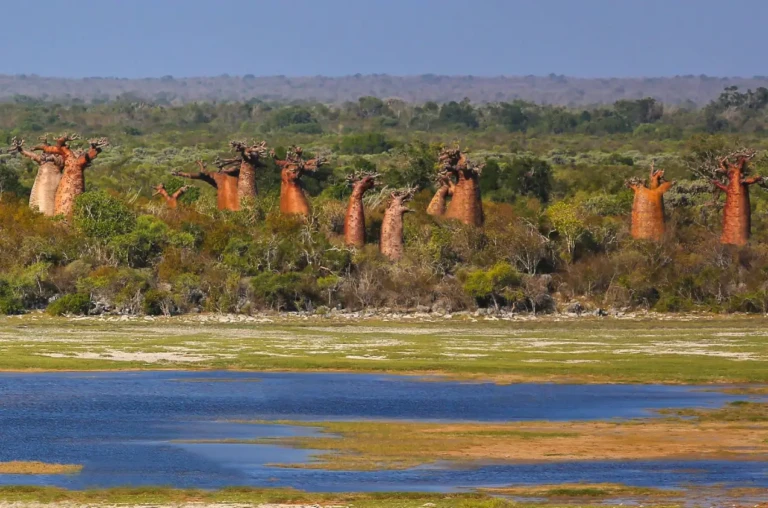
- Nahampoana Reserve (Station Forestière de Nahampoana): Often mislabeled as a “botanical garden,” this private reserve is an absolute must-do. It’s one of the easiest places in all of Madagascar to see ring-tailed lemurs and verreaux’s sifakas (dancing lemurs) in a semi-wild environment. The beautifully maintained paths also showcase a huge variety of endemic plants, including massive baobabs, traveller’s palms, and a sacred crocodile lake.
- Pic St Louis: The iconic mountain that looms over the town. The hike to the summit is challenging but rewards you with panoramic 360-degree views of the peninsula, the ocean, and the surrounding mountains. The ruins of Fort Flacourt are at the top.
- Berenty Private Reserve: While a 3-4 hour drive from Fort Dauphin, no guide to the region is complete without mentioning Berenty. This world-famous reserve is a flagship destination for wildlife viewing, offering guaranteed close encounters with troops of ring-tailed lemurs, sifakas, and a dense, spiny forest ecosystem.
- The French Mountain (Pic de Français): Another excellent hiking destination offering stunning views and a chance to explore the unique “littoral forest” that clothes the mountains around the town.
Unique Flora and Fauna: A Biodiversity Hotspot
The Fort Dauphin region is part of the Madagascar spiny thicket and littoral forest ecoregions, hosting an array of endemic species.
- Lemurs: The star attractions are the ring-tailed lemur and the verreaux’s sifaka. The region is also home to mouse lemurs and sportive lemurs.
- Reptiles & Amphibians: The spiny forests are home to an incredible diversity of chameleons (including the giant Oustalet’s chameleon), geckos, snakes, and frogs.
- Plants: The landscape is dominated by unique xerophytic plants adapted to the dry climate. Look for the bizarre elephant’s foot plant (Pachypodium rosulatum), various aloes, and the iconic triangle palm (Dypsis decaryi).
Practical Travel Guide: Getting There and Around
Reaching Fort Dauphin is part of its adventure.
- Getting There:
- By Air: The quickest way is via Air Madagascar’s regular flights from Antananarivo to Tôlanaro Airport (FTU). This is highly recommended to avoid the long overland journey.
- By Road: The journey from Tana is long (2-3 days) and challenging, involving rough, potholed roads. It’s only for the most adventurous travelers and requires a robust 4×4 vehicle.
- Getting Around: The town itself is walkable, but to explore the surrounding beaches and attractions, you will need transport. Options include:
- Taxi-brousse: For the budget-minded and adventurous.
- Private 4×4 with Driver: The most convenient and flexible option for exploring the region. Can be arranged through hotels or tour operators.
- Boat: Necessary for accessing remote bays like Lokaro.
- Best Time to Visit: The ideal time to visit is during the dry season (April to November), when rainfall is minimal, and roads are more passable. The peak tourist season is June to August.
Where to Stay and Eat: Accommodation for Every Traveler
Fort Dauphin offers a range of accommodation, from comfortable mid-range hotels to basic beach bungalows.
- Town & Libanona Beach: Offers the most convenience with hotels like Hotel Mahavoky and Libanona Ecolodge, which boast stunning ocean views and easy access to restaurants.
- Remote Beaches: For a true escape, consider staying at a surf camp like Loky Bay Good Life or a simple bungalow in Lavanono.
- Dining: Fresh seafood is the star of the show. Enjoy grilled lobster, zebu steaks, and freshly caught fish at restaurants in town and along Libanona Beach. Don’t miss trying samoussas, a popular local snack.
Conclusion: Is Fort Dauphin Worth the Journey?
Absolutely. Fort Dauphin (Tôlanaro) is not the easiest place to reach in Madagascar, but that is precisely its appeal. It remains refreshingly undeveloped and authentic. It offers a compelling mix of world-class natural beauty, fascinating history, and incredible wildlife viewing that is more intimate and less crowded than the national parks in the north.
Whether you’re here to surf the legendary waves of Loky Bay, hike to historic forts for breathtaking views, walk among lemurs in Nahampoana, or simply unwind on some of Madagascar’s most beautiful beaches, Fort Dauphin delivers a profound and unforgettable experience. It’s a destination for those who truly want to connect with the wild and historic heart of Madagascar’s southeastern coast.

“`