
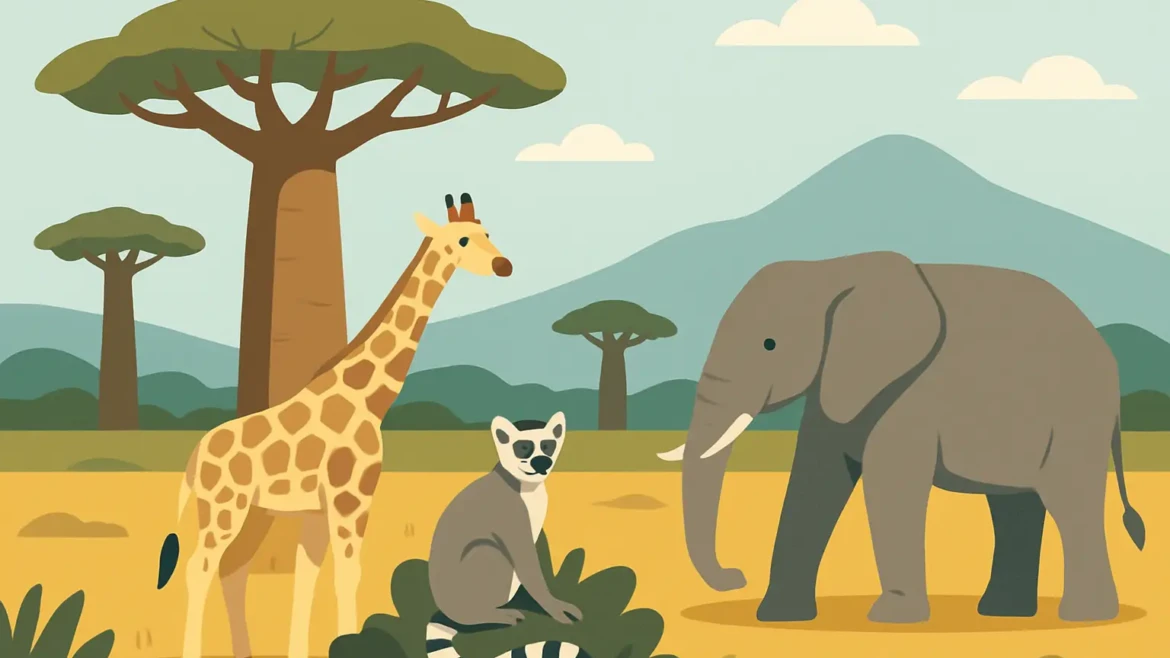
You can plan Madagascar around a single animal – and end up missing the chorus.
Madagascar rewards travelers who think in seasons and regions, not just “high season” and “low season.” One week you are tracking indri calls in misty rainforest. The next you are watching humpbacks breach off a tropical island, then finishing with sunset baobabs and a beach that feels almost unreal. The best time to visit Madagascar for wildlife depends on which habitats you want most (rainforest, dry forest, spiny desert, reef) and how much you care about baby lemurs, whale encounters, reptiles, or birds in full display.
Below is how we look at timing on the ground – with honest trade-offs, because Madagascar’s weather is not a simple switch.
The quick answer: when most wildlife travelers should go
For most US travelers building a 10-15 day classic wildlife route, the most reliable window is late April through early November. You get drier roads, clearer hiking days, and strong wildlife activity across multiple ecosystems.
If you want the single “sweet spot” for broad wildlife and comfortable travel, June through October is hard to beat. That is when many parks are at their easiest logistically, whales arrive on the east and north coasts, and night walks for chameleons and frogs stay productive.
But “best” changes fast once you name your priority species.
Understanding Madagascar’s seasons (and why they matter)
Madagascar’s climate is shaped by trade winds, a mountainous spine, and a long coastline. Instead of four neat seasons, think of two main travel realities:
Wet cyclone season (roughly December to March): heavy rain, humidity, and the possibility of cyclones. Some roads become slow or temporarily impassable, and certain coastal zones can be disrupted.
Drier season (roughly April to November): cooler nights in the highlands, more predictable road conditions, and easier multi-region routing.
Rain is not “bad for wildlife” in a simple way. Amphibians and many reptiles love humid conditions, and forests can feel alive. The issue is that logistics decide what you can realistically reach – and in Madagascar, reaching the best habitats is half the experience.
Best time to visit Madagascar for wildlife: by what you want to see
Lemurs: year-round, with a standout baby season
You can see lemurs in every month, but the feel of the encounter changes.
From September through November, many species have infants or juveniles visible. Watching a sifaka family cross a trail or seeing a young bamboo lemur cling close is a different kind of magic – more movement, more social behavior, and more “story” in each sighting.
April through August is excellent for active lemurs with cooler hiking conditions, especially in rainforest parks where humidity can otherwise wear you down. Indri in Andasibe remain a highlight in any season when trails are passable.
Whales: time it right, and it’s unforgettable
If humpback whales are on your wish list, target July through September, with strong chances into October depending on the year and location.
The most consistent whale experiences typically align with east-coast and nearby island waters. Pairing whales with rainforest lemurs is one of Madagascar’s signature combinations – the kind of itinerary that feels like two expeditions in one trip.
Reptiles and amphibians: shoulder seasons can be spectacular
Chameleons, leaf-tailed geckos, day geckos, and frogs show well in the drier season, especially on guided night walks where eyeshine and movement are easier to spot.
That said, if your dream is a rainforest that feels electric – frogs calling, insects loud, everything glossy green – the late wet season (March to April) can be rewarding when conditions ease. The trade-off is that some routes still take longer, and humidity is real.
Birds: bring binoculars, then pick your timing
Birding is strong across much of the year, but September through November often lines up with higher activity and breeding displays for many species. In wet months, birdlife can be abundant too, but access and trail conditions become the bigger variable.
Month-by-month planning (what it feels like on the ground)
January to March: lush forests, tough logistics
These are the wettest months in many regions, with cyclone risk peaking. Wildlife is there, and landscapes are intensely green, but cross-island routes can become slower and plans may need to pivot quickly.
If you travel in this period, it’s smartest to focus on areas with reliable access and build in buffer days. This is not the time to schedule a tight, park-to-park sprint and expect it to run like clockwork.
April and May: the reset
Rain eases, trails improve, and Madagascar starts to feel wide open again. For many travelers, this is when the island is at its most comfortable – fresh landscapes without peak-season crowding.
These months are strong for rainforest wildlife, plus they set you up well for a route that mixes Andasibe or Ranomafana with highland culture and a western extension.
June to August: prime conditions for multi-region trips
Cooler temperatures in the highlands mean long drives and hikes feel easier. This is when many classic itineraries shine – rainforest lemurs, then west for baobabs and dry forest, then a beach finish.
It is also a popular travel period, which means better to lock in guides, drivers, and the right hotels early, especially for private trips where quality standards matter.
September and October: wildlife sweet spot, whales included
If someone asks us for the best time to visit Madagascar for wildlife with the broadest mix, these months come up again and again. Lemur activity stays strong, babies appear for many species, and whales are still in play depending on the coastline you choose.
Road conditions remain generally favorable, and the weather is often the kind that lets you stay out longer – the difference between a good sighting and the sighting you talk about for years.
November: warmer days, excellent wildlife energy
November can be a fantastic month if you like warmth and want that “summer is coming” feeling without the full wet-season disruption. Wildlife remains active, and many habitats still travel well.
You may start to see more showers, particularly later in the month. The key is keeping your route flexible and not overcommitting to the most remote road segments if the forecast turns.
December: beauty with a question mark
Early December can still work, especially for shorter trips or simpler circuits. As the month progresses, storms become more likely.
For travelers who can only take holiday time, it’s doable – but it’s worth planning with a local team that can adjust quickly if a road slows or a region needs to be swapped.
Matching the season to Madagascar’s iconic regions
Eastern rainforests (Andasibe, Masoala-style vibes)
These forests deliver that classic Madagascar soundtrack: indri calls at dawn, bright day geckos, and night walks that feel like entering a hidden world.
They are best paired with the drier season (April to November) for easier hiking and more predictable transfers. You can still visit in wetter months, but you should expect muddier trails and allow more time.
Central-southern rainforests (Ranomafana area)
This is a biodiversity heavyweight with lemurs, birds, and amphibians. It performs beautifully in the cooler, drier months, especially if you enjoy longer hikes.
Western dry forests and baobabs (Morondava, Kirindy feel)
The west is a favorite for sunset landscapes and nocturnal wildlife. Dry season travel makes the experience smoother and opens up the classic baobab scenery without rain haze.
Tsingy formations (stone forests)
If tsingy is on your list, prioritize the dry season. These landscapes are physical and dramatic, and safety and access matter. Timing them right turns a challenging day into an unforgettable one.
Beaches and islands (Nosy Be and beyond)
Beach time works year-round in the right spot, but pairing it with wildlife often points you toward July to October if whales are part of the plan, or April to June if you want calmer shoulder-season travel with fewer moving parts.
The real trade-offs: comfort, cost, and crowding
Madagascar is not a destination where saving money by “winging it” always pays off. In peak months, better rooms and stronger guiding can book out. In wet months, you might find better rates, but you are trading price for flexibility and extra travel time.
If you want the best value-to-experience ratio, shoulder season often wins: April to May and late September to November can deliver excellent wildlife with fewer constraints.
Building a wildlife trip that actually works (not just on paper)
A Madagascar itinerary succeeds when the pacing matches the island. Distances look short on a map and drive times can still surprise first-time visitors. That is why timing is as much about roads and rhythm as it is about animal calendars.
For many travelers, the ideal structure is a 10-15+ day private route that starts with rainforest (lemurs and night walks), moves west for dry forest and baobabs, then finishes with a coastal reset. If you want whales, you anchor the coast portion to the right months instead of trying to force it.
If you would rather not juggle these moving pieces yourself, we plan custom private wildlife routes at Travelers of Madagascar with vetted drivers, strong local guides, and hotels chosen for comfort and location – so your trip stays focused on the moments, not the logistics.
A closing thought
Choose your dates like a naturalist, not a tourist: start with the species and landscapes that made you fall in love with Madagascar, then let the season shape the route. When the timing clicks, the island doesn’t just show you wildlife – it shows you how wildly different one world can be from the next, all in a single journey.