
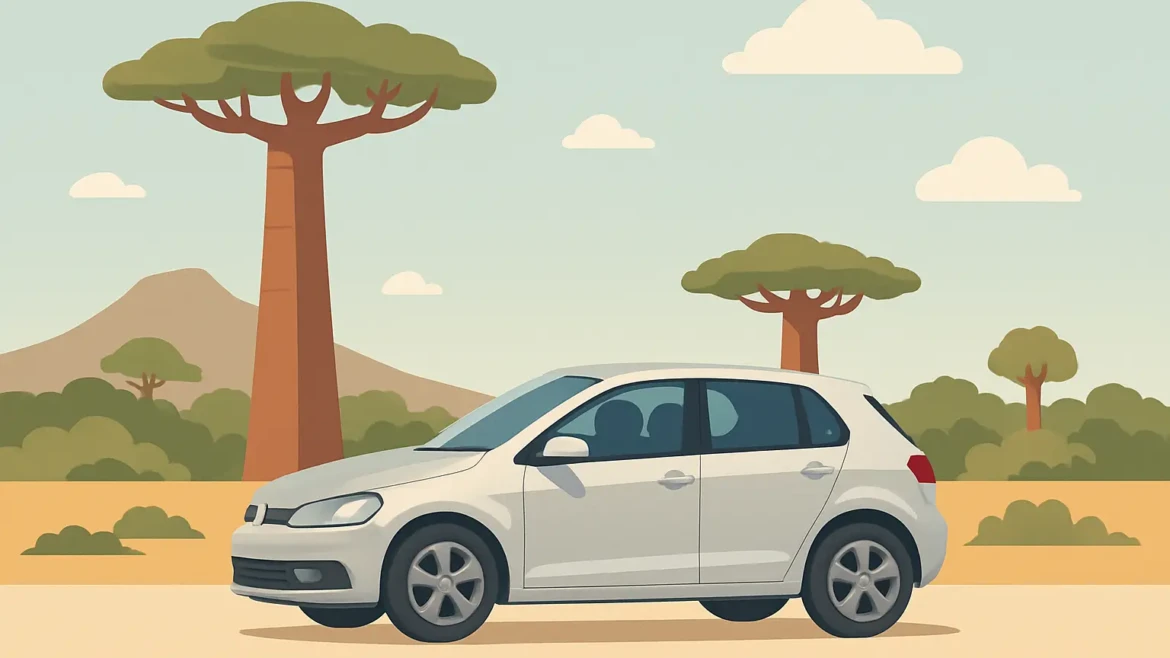
You land in Antananarivo with a dream: baobabs at sunset, lemurs in rainforest canopies, and empty coastal roads that lead to places most travelers never reach. Then you step outside and see the traffic ballet, the scooters, the potholes, and the reality that Madagascar is not a plug-and-play driving destination.
That’s exactly why “madagascar car hire no driver” is a common search. Self-drive can be brilliant here – the freedom is real. But it’s also one of those decisions where the details matter more than the headline price. If you’re weighing independence against practicality, here’s how to choose confidently.
What “madagascar car hire no driver” really means on the ground
Self-drive in Madagascar usually means renting a 4×4 and taking responsibility for the entire transport puzzle: navigation, fuel planning, road conditions, police checkpoints, and mechanical surprises. In some countries, car hire without a driver is a basic commodity. In Madagascar it’s more like an expedition tool – best when you know what you’re signing up for.
Availability can vary by season and by region. The rental market is concentrated around Antananarivo, with the most reliable fleet options for rugged routes. You’ll find smaller vehicles, but once you leave the main paved corridors, clearance and tire quality matter more than comfort features.
Also, keep expectations aligned with local realities. “Full insurance” may not mean what it means in the US, road assistance can be limited outside major towns, and a plan for breakdowns is not pessimism – it’s good travel design.
When self-drive is a great fit (and when it isn’t)
If you love independent travel and you’re comfortable making on-the-fly calls, self-drive can open up a different style of Madagascar. You can leave early for a national park gate, linger at a roadside market, or detour to a viewpoint without renegotiating a daily plan.
Self-drive tends to work best when your route is relatively contained and road conditions are predictable. Think day loops near Antananarivo, straightforward paved stretches between major cities, or a beach stay where you want mobility once you arrive.
Where it often becomes stressful is on classic cross-island routes that combine long distances, remote national parks, ferry crossings, and variable road conditions. Madagascar’s magic is spread out, and some of the most iconic landscapes come with demanding logistics. If your dream itinerary includes places like the Tsingy formations, deep rainforest corridors, or extended off-road days, it’s worth asking whether you want your attention on the road – or on the wildlife and the experience.
It also depends on your group. A confident driver with a co-pilot who enjoys navigation and logistics can do well. A couple hoping for a relaxed, wildlife-forward trip may find that self-drive turns into work.
Routes where a no-driver rental can make sense
Madagascar doesn’t have one single “best” self-drive circuit. The right answer depends on season, rainfall, and how comfortable you are with imperfect roads.
Around Antananarivo, there are trips that feel manageable for many independent travelers, especially if you’re easing into the country. The highlands have strong cultural interest – rice terraces, craft villages, and markets – and you can build a satisfying few days without pushing extreme distances.
For travelers focused on beaches, self-drive can be appealing once you’re based somewhere coastal and want the flexibility to explore nearby coves, fishing villages, and viewpoints at your own pace. The key is to be honest about the approach roads and whether you’re arriving in the dry season.
On the other hand, some of Madagascar’s signature routes include long days, road sections that change quickly after storms, and stretches where local knowledge saves hours. If you’re trying to fit in rainforests, baobabs, tsingy, and a beach finish in one trip, you’re designing a complex route. That’s where many travelers decide that driving themselves is not the best use of vacation time.
The vehicle question: why 4×4 is often the real requirement
Madagascar can look tame on a map and still punish a low-clearance car. Even on routes that are “mostly paved,” you’ll hit broken sections, deep ruts, and surprise construction.
A 4×4 isn’t just about traction. It’s about clearance, sturdier suspension, and tires that can handle rough surfaces. If your itinerary includes national parks beyond the easiest access points, or if you’re traveling outside the driest months, a 4×4 quickly shifts from “nice to have” to “non-negotiable.”
Manual transmissions are common, and you should assume you’ll be driving stick unless you’ve confirmed otherwise. If your group only drives automatic, it’s better to solve that constraint early than to compromise on safety or route quality.
Licenses, paperwork, deposits, and checkpoints
Most US travelers can rent with a valid US driver’s license, but you should confirm requirements in advance and bring your passport. Some providers may ask for an International Driving Permit. It’s not hard to get, and having one can smooth conversations if you’re stopped at a checkpoint.
Checkpoints are normal on major roads. They’re not inherently a problem, but they do require patience and calm professionalism. Keep your documents organized and accessible: license, rental agreement, passport copy, and any insurance papers. If you can’t communicate in French or Malagasy, having key details written down helps.
Deposits and payment terms vary. Because the cost of damage and recovery can be high in remote areas, reputable rentals may require a meaningful deposit. Clarify how it’s held, what triggers deductions, and how long refunds typically take.
Insurance and liability: the part you shouldn’t gloss over
This is where self-drive decisions often swing. Ask direct questions and get clear answers in writing. What does the insurance cover? Does it include windshield damage? Tires? Undercarriage? Water crossings? What about theft, and what security steps are required to keep coverage valid?
Also ask about roadside assistance and replacement vehicles. If you break down two hours outside a major town, what happens next? How is recovery handled, and who pays for towing or transport? These scenarios are not rare, and the difference between a good trip and a ruined week can come down to the support system behind your rental.
Navigation, fuel, and the hidden logistics of independence
Google Maps can be helpful near major cities and main roads, but it’s not a guarantee in remote areas. A second navigation method is smart, and so is planning travel days with daylight in mind. Night driving is best avoided – visibility drops, animals and pedestrians can be on the road, and help is harder to find.
Fuel planning is another quiet challenge. Stations can be sparse, and supply can fluctuate. When you’re heading toward a remote park or coastline, you don’t want to be guessing. Fill up early, track distance conservatively, and don’t assume the next town will have fuel when you arrive.
Then there’s the human side of logistics: asking for directions, negotiating small services, and reading local rhythms. If you enjoy that, Madagascar rewards you. If you find it draining, that’s a signal.
The trade-off nobody tells you: wildlife days vs driving days
Madagascar is a biodiversity destination. Your best moments often happen at dawn on a forest trail, or late afternoon when the light turns soft across baobabs and red-earth hills. A self-drive itinerary can accidentally steal those hours.
Long drives on unpredictable roads can turn into early departures and late arrivals, leaving you too tired for a night walk or a sunrise visit. That doesn’t mean self-drive is wrong. It means you should design your trip around the experience you came for.
If the priority is lemurs, chameleons, and endemic birds, consider fewer stops with longer stays. If the priority is freedom and road-trip energy, accept that some days will be about transit, and make peace with it.
A hybrid approach many travelers love
You don’t have to choose one style for the entire trip. Some travelers do a supported route for the most demanding segments, then switch to a no-driver rental in an easier region where independence shines.
This approach can make the trip feel both adventurous and well-paced. You get local expertise when it matters most, and you still earn that feeling of discovery when you’re ready to roam on your own terms.
If you want a trusted local team for either option – custom route planning, or car hire without a driver with realistic guidance on what’s doable – Travelers of Madagascar can help you match your ambitions to the season, the roads, and the style of trip you actually want.
How to decide in one honest conversation with yourself
Ask yourself what you want to remember. If it’s the satisfaction of navigating a complex island and finding hidden corners, self-drive can be a highlight. If it’s the feeling of being fully present in the forest, hearing indri calls echo through mist, or arriving at a remote lodge without stress, then reducing the driving burden may be the best upgrade you can buy.
Either way, Madagascar rewards travelers who plan with humility. Treat the roads as part of the landscape – sometimes beautiful, sometimes demanding – and you’ll make choices that keep your trip adventurous for the right reasons.