
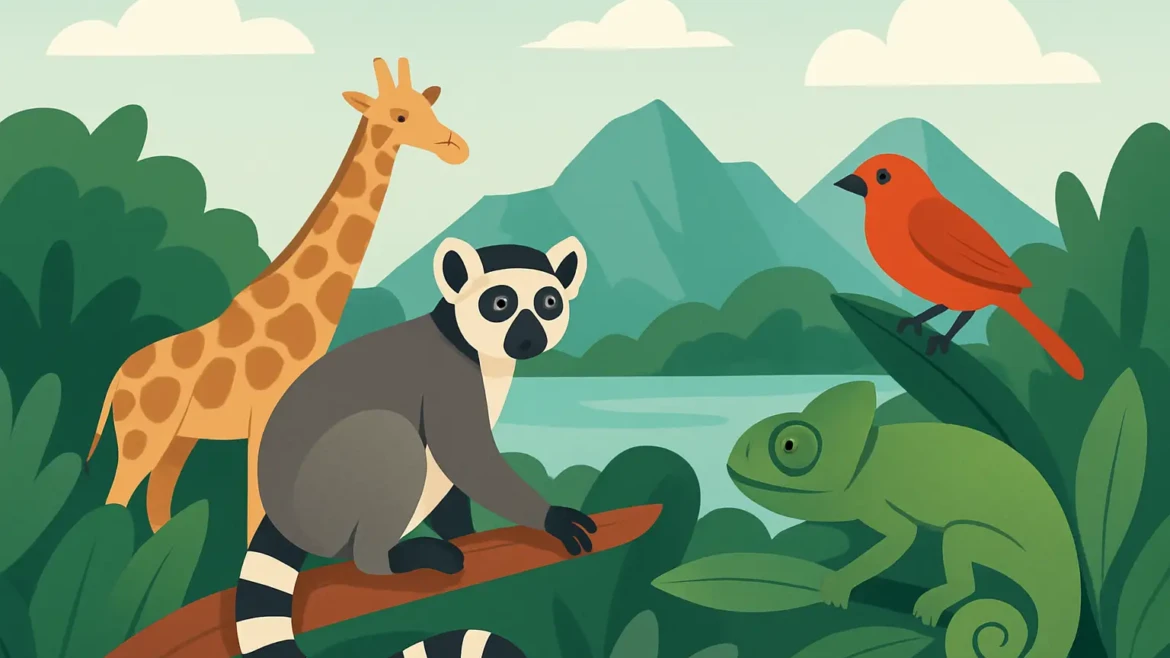
You can watch a lemur launch itself across a rainforest canopy at dawn, then be staring at a baobab horizon by sunset – in the same trip. That’s Madagascar: wildly different ecosystems stitched together by long, bumpy roads and a level of biodiversity that feels almost unfair.
If you’re searching for a madagascar 10 day itinerary wildlife plan, the biggest challenge is not finding animals. It’s choosing the right regions so you actually have time to see them. Ten days is enough for a truly satisfying wildlife route if you keep the geography tight, accept a couple of early starts, and build in one soft landing at the end.
The smart way to think about 10 days of wildlife
Madagascar rewards travelers who commit to a clear arc. Trying to “sample everything” usually turns into windshield time and late arrivals, which is when you miss the best wildlife activity.
For most first-time visitors flying in and out of Antananarivo, the best 10-day wildlife payoff comes from the East (rainforest) + a baobab-and-beach finish. You’ll get iconic lemurs, rare reptiles, and nocturnal species in humid forest, then contrast it with the west’s dry landscapes and a coastal reset.
There’s a trade-off: the east is easier for rainforest wildlife; the west is more about landscapes and a different set of species. In ten days, you can touch both – but you cannot chase every park name you’ve seen on social media. The plan below stays realistic.
Madagascar 10-day itinerary for wildlife (rainforest + baobabs + sea)
This route is designed for private travel with a driver-guide and domestic flight at the end. If you prefer to avoid flights, you can swap the west section for more time in the east and return by road.
Day 1: Arrive in Antananarivo – settle and reset
Most international flights land late. Tonight is about rest, not heroics. Keep expectations simple: a comfortable hotel, a good meal, and a short briefing on the road days ahead.
If you arrive early, you can add a low-key city visit or a craft market stop. But don’t steal sleep from tomorrow – Madagascar’s wildlife moments come early.
Day 2: Antananarivo to Andasibe – rainforest gateway
The drive to Andasibe is one of the most important legs of the trip. It’s not just distance – it’s road conditions, traffic leaving the capital, and frequent stops that make it a full day.
Arrive in time for a first forest walk. Andasibe is famous for encounters that feel immediate: thick vegetation, bird calls, and lemurs that are close enough to hear breathing when they pause.
Day 3: Andasibe-Mantadia – indri at sunrise, rainforest depth by day
This is your “signature sound” morning. Indri are the largest lemurs, and their calls carry through the forest like whale song in the trees. An early start improves your odds – not because guides are dramatic, but because wildlife is simply more active.
Spend the day between Analamazaotra (the easier access forest) and Mantadia (wilder, more demanding trails). Mantadia takes more effort, but it gives you the feeling of being deep in Madagascar’s rainforest – and often a richer spread of species.
Tonight, plan a guided night walk. This is where Madagascar turns surreal: mouse lemurs, sleeping chameleons, leaf-tailed geckos, and eyeshine in the dark.
Day 4: Andasibe to Akanin’ny Nofy (Palmarium) – lakes and lemurs
Today is a change of texture. You’ll travel toward the Canal des Pangalanes region, then continue by boat to a forest-lodge setting that feels remote without being extreme.
Palmarium is known for close lemur experiences, but what makes it valuable in a 10-day itinerary is contrast. After the denser trails of Andasibe, this is softer walking with strong wildlife returns. You’ll also start to feel Madagascar’s water world: lakes, channels, and coastal air.
Day 5: Palmarium and Canal des Pangalanes – slow travel, strong sightings
Give this day space. Madagascar is not a destination where you want every hour scheduled. A calmer day improves your wildlife experience because you can follow what’s happening – a troop moving through trees, a guide hearing a call, the light changing.
A canal excursion adds birds and a different side of Malagasy daily life along the water. If you want a special nighttime experience, ask about a focused night walk for the island’s strangest stars – including the famous wide-eyed nocturnal species that many travelers dream about.
Day 6: Back to Antananarivo – reposition for the west
You’ll return by boat and road. It’s a long travel day, and that’s the honest cost of fitting rainforest wildlife and western landscapes into one 10-day trip.
If you’d rather keep things simpler, this is the pivot point: you can stay east-only and add another rainforest day instead. But if baobabs are on your must-see list, tonight in Antananarivo sets you up.
Day 7: Fly to Morondava – sunset at Baobab Avenue
A domestic flight saves you a punishing drive. Arrive, check in, then head straight to Baobab Avenue for golden-hour light.
This is not a “wildlife day” in the classic sense, but it is Madagascar’s other icon. The feeling of standing under those trees is part of the country’s identity – and it’s a powerful counterpoint to the rainforest.
Day 8: Morondava to the coast – beach time with nature edges
You’ve earned a slower rhythm. Depending on sea conditions and your comfort with boats, you can head toward a coastal stay that blends beach with mangroves and local fishing villages.
This day is about recovery without switching off the nature lens. Shorelines and mangroves can still deliver birds, crabs, and small encounters that add texture to the trip.
Day 9: Coastal day – optional activities, no pressure
Keep this flexible. If you want movement, you can do a short boat trip, a village visit, or a guided nature walk in nearby forest patches.
If your priority is wildlife intensity, you might feel tempted to pack in another park. But ten days in Madagascar is also about stamina. The travelers who enjoy it most are the ones who allow one day to breathe – then finish strong.
Day 10: Return to Antananarivo and depart
Plan your return with padding. Flight delays and schedule shifts happen everywhere, and Madagascar is no exception.
If your international departure is late, you can fit a final craft stop for high-quality souvenirs that support local artisans. Then it’s time to go home with the kind of memories that make you quietly raise your standards for every “wildlife trip” that follows.
Wildlife highlights you can realistically expect
Madagascar is famous for endemism, but sightings still depend on season, weather, and how much time you spend on foot. On this route, the headline wildlife is very achievable: indri, other lemur species, chameleons, geckos, frogs, and a strong mix of rainforest birds.
The real win is variety. You’ll see animals that look like they were designed by a committee that never agreed on a final draft – and you’ll see them in habitats that change dramatically across a single week.
Practical notes that make or break the experience
Road time is the hidden cost of Madagascar. A map will lie to you politely. Even on major routes, progress can be slow because of traffic, construction, and rough sections. That’s why this itinerary uses Andasibe as the core rainforest base and adds a flight to reach the west.
Guiding also matters more here than in many destinations. Madagascar’s best wildlife is often small, camouflaged, or heard before it’s seen. A strong local guide is not just pointing – they’re translating the forest in real time.
Seasonality is another “it depends.” The warmer, wetter months can be brilliant for amphibians and lush forest, but rain can affect comfort and road conditions. Drier months tend to be easier for travel and trekking, but some species are less active. There’s no perfect window – just different advantages.
If you want this route tailored to your pace, hotel style, and must-see species, our team at Travelers of Madagascar designs private trips with vetted drivers, guides, and stays so you can focus on the wildlife, not the logistics.
A final thought
Build your ten days around fewer regions, not more ambitions. Madagascar doesn’t reward rushing – it rewards attention, patience, and the willingness to let a guide stop the car because they heard something move in the leaves.