
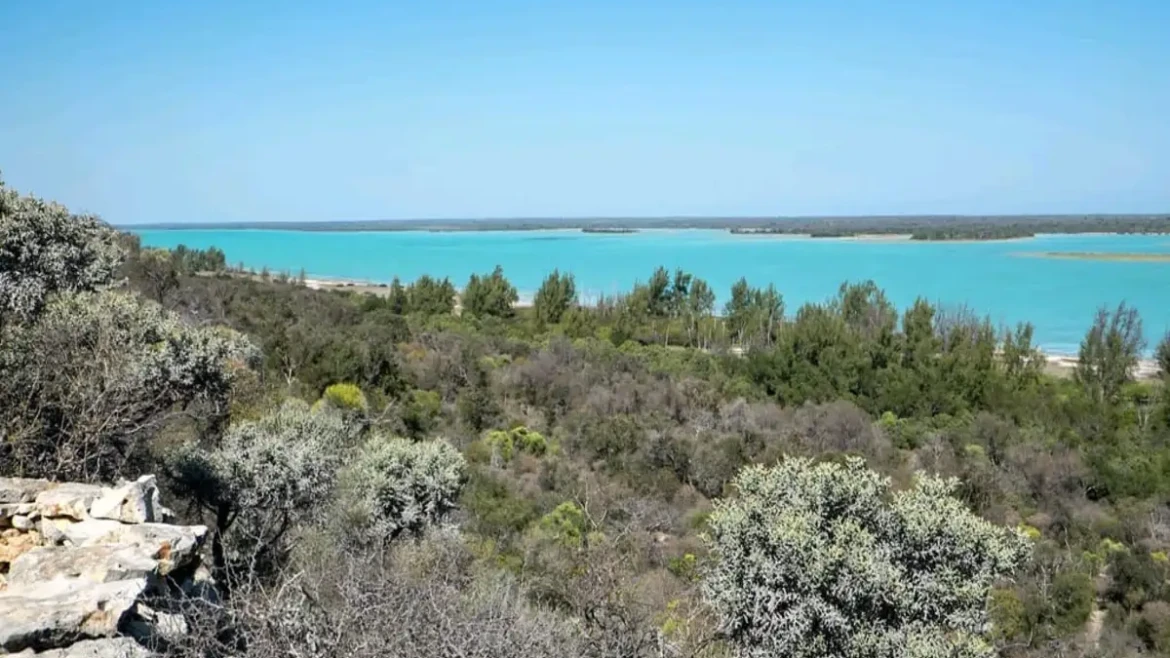
You know that feeling when a place is so distinctive it almost sounds made up? A rainforest where the “monkeys” are actually lemurs. A skyline of baobabs that looks like it belongs on another planet. Stone forests sharp enough to make you slow down and listen to your footing. That is Madagascar – and the reason Madagascar wildlife tours reward travelers who plan with intention.
Madagascar is not the kind of destination where you casually “wing it” between parks. Distances are real. Roads can be slow. Seasons matter. And the wildlife you came for often shows up best when you’re in the right habitat, at the right time of day, with a guide who knows what you’re listening for.
What makes Madagascar wildlife tours different
Most countries have wildlife highlights. Madagascar has an entirely separate evolutionary story. A huge share of what you’ll see here is endemic, meaning it exists nowhere else on Earth. That changes the whole feel of a trip – you are not checking off familiar species, you are meeting a new cast.
It also changes your strategy. Madagascar’s biodiversity is spread across dramatically different ecosystems: humid rainforests in the east, dry deciduous forests in the west, spiny forests in the south, and marine life around the coasts and islands. The best tours are built as a sequence of ecosystems, not a string of “top sights.”
There’s another reality that shapes every itinerary: logistics. You can have world-class guiding and still have a frustrating trip if your route forces too many long drives back-to-back, or if you choose parks that are perfect on a map but punishing in practice for your travel style. A well-designed tour protects your energy so the wildlife moments land the way they should.
Start with one question: what kind of wildlife story do you want?
Before you pick parks, decide what you want the trip to feel like.
If your dream is classic rainforest biodiversity – multiple lemur species, chameleons, frogs, orchids – you’ll build around eastern rainforest parks. If you want cinematic landscapes with wildlife layered in, the west delivers baobabs, river crossings, and that wide-open Madagascar feeling. If your priority is rare, quirky endemics and desert-adjacent ecology, the south is where the island gets strange in the best way.
Many travelers want all three. You can do that, but trade-offs come with it: more travel days, possible internal flights, and a higher premium on solid planning.
The main wildlife regions (and why they pair well)
The East: rainforests and “Madagascar at full volume”
Eastern rainforests are where Madagascar feels alive every minute. Mornings are thick with calls, leaves drip after rain, and the forest hides motion in every layer. Parks in this zone are known for lemurs and an impressive density of small wonders: leaf-tailed geckos, bright frogs, stick insects, and chameleons that look like miniature dragons.
This region pairs well with cultural immersion, because many routes pass through the Central Highlands where you can stop for local markets and village life. It also pairs well with a beach finish on the east or northeast – you earn the coastline after hiking.
The West: baobabs, big skies, and river-country nature
The west is where your photos start looking unreal. Baobab landscapes deliver the iconic Madagascar silhouette, especially at sunrise and sunset. Wildlife is different here: you’ll still see lemurs, but the rhythm is more about dry forest trails, river edges, and that warm late-afternoon light.
The west pairs well with dramatic geology – tsingy formations – and with coastal downtime. It’s also a strong choice if you want a route with variety but fewer humid rainforest days.
The South: spiny forests and rare endemics
Southern Madagascar is spiky, sculptural, and full of life adapted to extremes. This is where you meet species that seem designed by imagination: strange plants, specialized reptiles, and animals that blend into sand and thorn.
The south pairs beautifully with beach time. After dusty roads and desert-color landscapes, the coast feels like a reward.
The North and islands: reef days with wildlife on land
If you want a nature trip that includes clear-water snorkeling, the north and islands like Nosy Be are a natural fit. Depending on your route, you can mix marine time with inland reserves for lemurs and birds, then finish with slow mornings and warm water.
How long should a wildlife-focused trip be?
For Madagascar, duration is not a luxury – it’s what makes the experience humane.
A 7 to 9-day trip can be excellent if you keep the geography tight: one main region plus a nearby add-on. This works well for travelers who want a concentrated rainforest-and-highlands experience, or a west-and-baobabs arc without trying to cross the whole island.
A 10 to 15-day itinerary is the sweet spot for most US travelers who want a “classic Madagascar” route with real biodiversity variety. You can combine two major ecosystems and still have space for unhurried wildlife walks, night walks, and at least a couple of downshift days.
At 16 days and beyond, cross-island routes become more realistic. That’s when you can stitch east, west, and south into one story, or add tsingy plus islands. The payoff is huge, but this is where planning details matter most – one weak link in transport timing can ripple across the entire trip.
When to go: seasonality without the stress
Madagascar does not have one perfect month. It depends on what you want to see and how you like to travel.
Dry-season travel typically feels easier on the road and more predictable for hiking. Many travelers prefer it for long overland routes and remote regions.
Green-season travel can be extraordinary for landscapes and rainforest atmosphere. It can also mean heavier rains and slower roads in some areas. If your goal is photography in lush conditions and you’re flexible about pacing, it can be a great fit.
If you’re choosing between “best wildlife” and “best logistics,” the truth is you can get both with the right route. The smarter move is to pick a season you can comfortably travel in, then design the itinerary around areas that perform well during that window.
What a great wildlife day actually looks like
A strong day on a Madagascar wildlife tour is built around the animals’ schedule, not ours.
You’ll typically start early, when the forest is active and the light is soft. Midday becomes slower – a good time for a long lunch, a scenic transfer, or a cultural stop. Late afternoon can bring another burst of activity, and night walks are where Madagascar turns into a different world: nocturnal lemurs, geckos, insects, and glowing eyes in the dark.
This is also why private routing matters. If you control your departure times, you can catch those prime windows without feeling rushed by a group timetable.
Choosing parks: go for contrast, not just “top 10”
Travelers often start by listing famous parks. A better approach is to build contrast.
Pick one rainforest anchor for dense biodiversity and classic lemur time. Add one dry-forest or western landscape zone for baobabs and a totally different ecology. If you have the days, bring in a geological highlight like tsingy for pure wow-factor terrain. Then decide whether your trip ends with a beach reset on the coast or islands.
The trade-off is distance. Madagascar rewards contrast, but it also punishes overreach. If your route demands daily long drives, you’ll have less patience for the quiet wildlife moments that make this place special.
Comfort, safety, and why the driver matters as much as the guide
In Madagascar, your driver is not just transportation – they’re your pace, your safety buffer, and your calm when conditions change. A well-vetted driver makes long transfers feel manageable and helps keep the trip steady when weather or road conditions shift.
Guiding is equally critical. The best sightings often come from sound and subtlety: a rustle that means a lemur is moving above you, a leaf that doesn’t quite look like a leaf, a call that tells the guide which direction to walk next. The difference between “we walked for two hours” and “we found three species” is usually expertise.
Hotel selection also has a real wildlife impact. Staying near park gates means earlier starts and easier night walks, and that translates directly into better viewing.
Private tours vs independent travel: what changes on the ground
It depends on how much complexity you want to manage.
Independent travel can work well for experienced travelers who enjoy problem-solving and are comfortable with uncertainty. You’ll still need to navigate permits, local guides, transport reliability, and shifting road conditions.
A private tour is about removing friction so you can focus on nature. Your route is designed as a coherent story, your timing is optimized for wildlife, and your logistics are handled as one system. That matters in a destination where a single missed connection can cost you a park day.
If you want that kind of on-the-ground execution with a fully customized itinerary, this is exactly what Travelers of Madagascar is built for – Madagascar is our home, and we design private wildlife and nature trips that balance biodiversity, culture, and beach time with carefully curated drivers, guides, and hotels.
How to make your trip feel like Madagascar (not just a checklist)
Build in at least one cultural moment that’s not rushed. A market stop where you taste something unfamiliar. A highlands village where you see daily life, not a performance. Madagascar’s wildlife is inseparable from its people and landscapes – the trip becomes richer when you let the human side in.
Leave room for weather and wonder. If you pack the itinerary so tightly that a rainstorm “ruins” the day, you’ll miss the point. Some of the best rainforest encounters happen when the forest is wet and loud.
And finally, end where you can exhale. After early mornings and trail hours, a few days on the coast or an island like Nosy Be can make the whole journey feel complete. You’ll go home with the lemur calls still in your ears, but you’ll also go home rested enough to want to plan the next route.
Madagascar doesn’t ask you to travel perfectly – it asks you to travel with curiosity, patience, and a route that gives nature the time to reveal itself.