
“`html
Discover the Rich History, Flora, Fauna, and Hiking Circuits of Ranomafana National Park in Madagascar
Ranomafana National Park, located in the lush eastern rainforests of Madagascar, is one of the country’s most important protected areas and a symbol of its extraordinary natural heritage. Renowned for its exceptional biodiversity, dramatic landscapes, and strong conservation legacy, the park draws nature lovers, researchers, hikers, and ecotourists from all over the world. Recognized internationally as a UNESCO World Heritage Site, Ranomafana offers a rare opportunity to experience pristine rainforest ecosystems while learning about the challenges and successes of environmental conservation.
For travelers seeking a destination that blends history, diverse flora, unique fauna, and immersive hiking circuits, Ranomafana National Park stands out as a must-visit location. This in-depth guide explores the park’s historical background, remarkable plant life, extraordinary animal species, and well-developed hiking trails. Whether you are planning a journey to Madagascar or simply exploring one of the planet’s richest biodiversity hotspots, this article provides a comprehensive overview while naturally integrating key search topics such as biodiversity, endangered species, and hiking circuits in Ranomafana National Park.
The Historical Significance of Ranomafana National Park
The history of Ranomafana National Park is closely linked to Madagascar’s modern conservation movement and the global recognition of the island’s unique evolutionary history. Situated in the southeastern highlands of Madagascar, the park was officially established on May 28, 1991, during a period when the country faced accelerating deforestation and biodiversity loss. Its creation marked a decisive step toward safeguarding Madagascar’s rapidly disappearing rainforests.
The origins of the park can be traced back to the late 1980s, when American primatologist Patricia Wright made a groundbreaking discovery: the golden bamboo lemur (Hapalemur aureus). This critically endangered primate, found nowhere else on Earth, captured international attention and became a powerful symbol of Madagascar’s fragile ecosystems. Scientific research conducted in the region revealed alarming rates of habitat destruction caused by slash-and-burn agriculture, illegal logging, and expanding human settlement.
In response, the Malagasy government, working alongside local scientists and international conservation organizations, designated the area as a national park under Madagascar’s National Protected Areas System. Support from institutions such as the World Wildlife Fund (WWF) and the United States Agency for International Development (USAID) played a vital role in funding research, conservation planning, and community engagement.
Long before its designation as a protected area, the region was home to the Betsileo and Tanala ethnic groups. For centuries, these communities depended on the forest for food, traditional medicine, construction materials, and spiritual practices. Their lifestyle was largely sustainable, shaped by deep cultural knowledge of the forest ecosystem. However, during the colonial era under French rule, intensified exploitation of natural resources disrupted this balance, leading to widespread forest degradation.
The establishment of Ranomafana National Park represented a turning point. It became one of the first parks created under Madagascar’s Environmental Action Plan, which aimed to integrate conservation with socioeconomic development. Today, the park covers more than 41,600 hectares and is managed by Madagascar National Parks (MNP). Ecotourism initiatives now provide employment opportunities for local residents, helping reduce pressure on forest resources while promoting environmental education.
In 2007, the park gained further international recognition when it was included as part of the Rainforests of the Atsinanana World Heritage listing. This designation highlighted Ranomafana’s importance in preserving endemic species and maintaining intact rainforest ecosystems. Its history stands as a powerful example of how scientific discovery, community involvement, and international cooperation can drive effective conservation.
Exploring the Flora of Ranomafana National Park
The flora of Ranomafana National Park is among the most diverse and visually striking in Madagascar. As part of the island’s eastern rainforest belt, the park supports an extraordinary variety of plant species, many of which are endemic and have evolved in isolation for millions of years. The region’s humid tropical climate, with annual rainfall exceeding 3,000 millimeters, creates ideal conditions for dense and layered vegetation.
One of the defining characteristics of the park’s plant life is the abundance of epiphytes—plants that grow on other plants without causing harm. Orchids, ferns, and mosses cover tree trunks and branches, forming a living green canopy that can reach heights of over 30 meters. Ranomafana is home to more than 1,000 species of flowering plants, including rare orchids such as Aerangis ellisii, which is prized for its delicate blooms and ecological importance.
The forest understory is equally rich, featuring shrubs, lianas, and medicinal plants traditionally used by local communities. Iconic species such as the traveler’s palm (Ravenala madagascariensis) play both ecological and cultural roles, providing shade, water, and materials for construction. Hardwood trees, including protected rosewood species from the Dalbergia genus, highlight the economic value of the forest and the importance of sustainable management.
Bamboo groves are another key feature of the park’s flora. These fast-growing plants stabilize soil, regulate water flow, and serve as critical habitat for wildlife. The variation in altitude, ranging from approximately 600 to 1,400 meters, supports multiple vegetation zones. Lower elevations are dominated by evergreen rainforest, while higher slopes transition into misty cloud forest with moss-covered trees and dense ground cover.
Conservation programs within the park focus on controlling invasive species, monitoring forest health, and restoring degraded areas. For visitors interested in plant diversity and ecological processes, Ranomafana offers guided botanical walks that reveal how Madagascar’s isolation has shaped unique adaptations. The park serves as a living laboratory, showcasing plant evolution, resilience, and the interconnectedness of rainforest ecosystems.
The Fauna of Ranomafana National Park: A Biodiversity Hotspot
Ranomafana National Park is internationally recognized for its exceptional wildlife diversity. As one of Madagascar’s most important biodiversity hotspots, the park shelters over 100 species of mammals, more than 100 species of birds, and countless reptiles, amphibians, and insects. Approximately 90 percent of these species are endemic, underscoring Madagascar’s global conservation significance.
Lemurs are the most iconic inhabitants of the park, with twelve species recorded. Alongside the golden bamboo lemur, visitors may encounter the red-bellied lemur (Eulemur rubriventer) and Milne-Edwards’ sifaka (Propithecus edwardsi), both of which face serious threats from habitat loss. Observing lemurs in their natural environment is one of the most memorable experiences for visitors, offering insight into primate behavior and rainforest ecology.
Birdlife in the park is equally impressive. Endemic species such as the brown mesite (Mesitornis unicolor) and yellow-bellied asity (Philepitta schlegeli) contribute to the forest’s rich soundscape. Birdwatchers are drawn to Ranomafana for its diversity of forest specialists and rare species.
The humid climate supports a remarkable variety of reptiles and amphibians. Colorful chameleons, including the Parson’s chameleon (Calumma parsonii), blend seamlessly into the foliage, while frogs such as the tomato frog (Dyscophus antongilii) add splashes of color to forest streams. Invertebrates, from butterflies to beetles, play essential roles in pollination and nutrient cycling.
Larger mammals, including the elusive fossa (Cryptoprocta ferox), represent the park’s top predators and highlight the complexity of its food webs. Conservation challenges persist, but ongoing research, anti-poaching patrols, and community education programs continue to protect the park’s wildlife.
Hiking Circuits and Visitor Activities
Exploring Ranomafana National Park on foot is one of the best ways to experience its landscapes and biodiversity. The park features a network of well-maintained hiking circuits designed for different fitness levels and interests. These trails provide close encounters with rainforest ecosystems while promoting sustainable tourism.
The popular Talatakely Trail is a moderate loop suitable for beginners, offering frequent wildlife sightings and scenic waterfalls. More experienced hikers may choose longer circuits that climb to higher elevations, revealing panoramic views and unique plant communities. Guided night walks provide opportunities to observe nocturnal species, adding a sense of adventure to the visit.
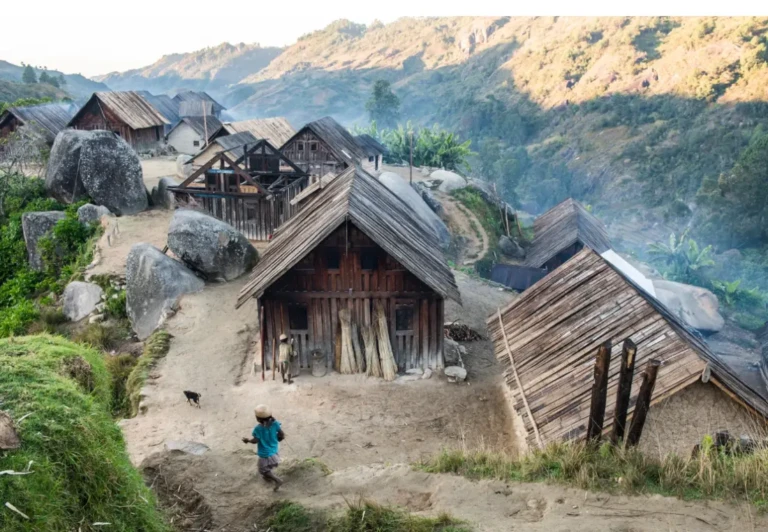
All hiking circuits are managed with conservation in mind. Local guides share knowledge about wildlife, plants, and cultural history, enhancing visitor understanding while supporting local livelihoods. Additional activities include birdwatching tours, wildlife photography, and visits to nearby villages that showcase traditional Malagasy culture.
Conclusion: Why Ranomafana National Park Deserves a Place on Your Travel List
Ranomafana National Park represents the very heart of Madagascar’s natural heritage. From its compelling conservation history to its extraordinary flora, diverse fauna, and immersive hiking circuits, the park offers a deeply enriching experience for visitors. As a protected area that balances biodiversity preservation with community development, Ranomafana stands as a global model for sustainable ecotourism.
Whether you are drawn by rare lemurs, ancient rainforests, or meaningful outdoor adventure, Ranomafana National Park provides lasting memories and a deeper appreciation for one of Earth’s most unique ecosystems. Visiting responsibly helps ensure that this remarkable landscape continues to thrive for generations to come.

“`