
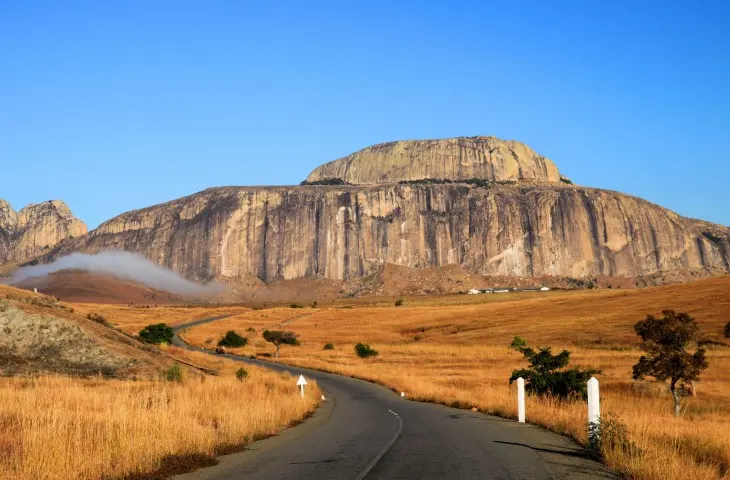
You can feel the RN7 changing under your tires – rice terraces giving way to misty highlands, then sandstone canyons, then that dry southern light where baobabs start to look like they belong on another planet. It is the classic Madagascar overland route for a reason. But “classic” does not mean simple: road conditions, park logistics, and the right pacing can make the difference between an epic wildlife road trip and a long series of bumpy transfers.
This rn7 madagascar itinerary is designed for US travelers who want a private, well-paced route with real time in the parks – not just photo stops. It runs north to south from Antananarivo to Toliara with a beach finish at Ifaty. You can do it in either direction, but this flow tends to build nicely: highland culture first, rainforest and lemurs, then the drama of Isalo, then the coast.
Why the RN7 route works so well
RN7 connects several of Madagascar’s most rewarding protected areas with towns that can actually support travelers with decent hotels, guides, and food. You get genuine biodiversity variety: rainforest species around Andasibe-like climates once you reach Ranomafana, then dry forest and sandstone around Isalo, plus the cultural shift between the highlands and the south.
The trade-off is the road itself. RN7 has long driving days, and quality can vary by section and season. If you try to “do RN7” too fast, you will spend Madagascar through a windshield. If you build in two-night stays where it matters, you start seeing what makes this island different.
The best time to run an RN7 Madagascar itinerary
Most travelers do RN7 during the drier months, roughly May through October, when national parks are more accessible and humidity is lower. November through April is greener and quieter, but it can bring heavy rain, slippery trails, leeches in rainforest zones, and occasional road disruptions.
Wildlife is year-round, but your experience changes by season. In cooler months, some reptiles are less active, while lemurs remain a highlight. In wetter months, forests feel alive and dramatic, but you need more flexibility.
12-day RN7 Madagascar itinerary (Antananarivo to Ifaty)
This is a strong baseline for first-time visitors who want lemurs, landscapes, and an easy beach decompression at the end. It can be stretched to 13-15 days by adding more time in Ranomafana and Isalo, or by adding a detour to Anja Community Reserve.
Day 1: Arrive in Antananarivo
Plan on a calm first night. Antananarivo (Tana) is not where you come for the “Madagascar postcard,” but it sets context fast – markets, hillside neighborhoods, and that first taste of Malagasy hospitality.
If your flight arrives late, keep it simple and rest. If you arrive earlier, a short city orientation can help you reset after the long haul.
Day 2: Antananarivo to Antsirabe (about 4-6 hours)
You leave the capital and climb into the Central Highlands, passing rice paddies and roadside villages. Antsirabe is a pleasant highland town with a cooler climate and a strong craft scene.
This day is about easing into the rhythm of Madagascar road travel. Stops for photos and local encounters are part of the experience – and they also break up the drive.
Day 3: Antsirabe to Ranomafana (about 6-8 hours)
The landscape begins to shift as you head southeast. Ranomafana is a rainforest national park known for dense vegetation, waterfalls, and some of the most exciting primate viewing on the RN7.
Arriving before dark helps. The road can be slow, and once you get into rainforest conditions, you want time to settle in so the next day’s trekking feels relaxed rather than rushed.
Day 4: Ranomafana National Park (full day)
This is one of the core wildlife days. Ranomafana is famous for lemurs and rich biodiversity, but it rewards patience and a good local guide. Trails can be muddy and steep, and sightings are never guaranteed – that is part of real rainforest travel.
If you have the energy, add a night walk. Nocturnal species can feel like a different world: chameleons sleeping on branches, tiny frogs, and the forest soundscape shifting after dark.
Day 5: Ranomafana to Fianarantsoa (about 2-3 hours)
A shorter drive day gives you breathing room. Fianarantsoa is a cultural hub with historic upper town character and easy access to vineyard countryside. For travelers who want more than parks, this is where Madagascar’s human story comes forward.
Depending on your interests, you can keep this day focused on cultural touring, or use it as a buffer if weather or road pace has been slower earlier in the trip.
Day 6: Fianarantsoa to Isalo (about 5-7 hours)
You move south toward one of Madagascar’s most iconic landscapes. Isalo National Park is all sculpted sandstone, natural pools, and wide-open views that feel almost cinematic.
The climate is drier here, and temperatures can rise quickly in the middle of the day. Arrive and enjoy sunset if you can – Isalo’s evening light is a real moment.
Day 7: Isalo National Park (full day)
Isalo is less about dense wildlife and more about dramatic terrain, hiking, and swimming breaks. You can tailor the trek to your group’s fitness: a shorter route with one main canyon and a pool, or a longer circuit that gets deeper into rock formations and viewpoints.
The trade-off is heat and exposure. Starting early matters. Good footwear matters. And if you have travelers who prefer lighter hiking, you can still have a great day by focusing on scenery and a single swimming spot.
Day 8: Isalo to Toliara, then Ifaty (about 5-7 hours total)
Today you reach the southwest coast. Toliara is a busy coastal town, and most travelers continue on to Ifaty, where the pace drops and the air feels saltier.
This is also where you feel the “end of the road trip” satisfaction. You have crossed a real slice of Madagascar overland, and now you get to exhale.
Day 9: Ifaty beach day (and optional snorkeling)
Ifaty is here for recovery and simple coastal pleasure. Depending on sea conditions, snorkeling can be excellent, and the beach vibe is relaxed.
If you want more structure than just sun time, you can add a visit to nearby dry forest for birds and endemic flora. It is a good reminder that even at the beach, Madagascar’s biodiversity keeps showing up.
Day 10: Ifaty (buffer day for weather or a deeper beach stay)
This extra day is not a luxury – it is smart planning. Road travel in Madagascar can be unpredictable, and having a cushion means you do not have to sacrifice a park day if something runs late earlier.
If everything has gone smoothly, you simply enjoy another beach day, add a boat outing, or spend time with local communities and crafts.
Day 11: Fly Toliara to Antananarivo (plus transfers)
Most travelers fly back from Toliara to Tana rather than drive the entire way north again. This saves time and keeps the itinerary enjoyable.
If your international flight is the same night, this can work with careful scheduling, but many travelers prefer a final overnight in Tana to reduce stress.
Day 12: Depart Madagascar
Leave with time for airport logistics. Madagascar is not a place you want to cut close.
Smart upgrades and variations (when you have 2-4 extra days)
The “right” RN7 plan depends on what you care about most.
If your priority is wildlife density, add an extra night in Ranomafana and commit to both a long morning trek and a night walk. It increases your chances of seeing a wider spread of species and reduces the feeling of having to hurry through the rainforest.
If you want a powerful cultural and community-based stop, insert Anja Community Reserve between Fianarantsoa and Isalo. It is small, but it can deliver excellent ring-tailed lemur experiences and a direct connection to local conservation. This is one of the best-value add-ons on the route.
If you are tempted to add the Avenue of the Baobabs, know that it is not on RN7. You are looking at a different routing via Morondava, which changes driving days substantially. It is absolutely worth it for many travelers, but it becomes a cross-island itinerary rather than a pure RN7 run.
What to expect on the road (honest logistics)
Driving times are real, and “distance on a map” does not translate cleanly in Madagascar. Potholes, road works, slow-moving trucks, and village crossings add up. A private driver who knows the route is not just about comfort – it is about safety, pacing, and making the day feel purposeful with well-timed stops.
Hotels on RN7 range from simple to boutique. In remote regions, even the best available option may be more rustic than you are used to. That is not a flaw; it is the reality of traveling through a biodiverse island where infrastructure is still developing. The win is choosing places that are clean, well-run, and located to maximize early park starts.
Park guiding is also not optional in most areas. Local guides are part of how Madagascar protects its ecosystems and supports local livelihoods. When guiding is well coordinated, your park days run smoothly and you learn far more than you would on your own.
Building your own RN7 itinerary without the stress
If you want RN7 done as a private trip with vetted drivers, trusted guides, and hotels that match your comfort level, we can tailor the pacing to your wildlife goals and travel style at Travelers of Madagascar. RN7 is our home-road advantage: we know where the route slows, where the best sightings tend to happen, and how to keep the experience feeling premium even in remote places.
Madagascar rewards travelers who plan for reality, not perfection. Give yourself time in the parks, protect your beach days at the end, and let the road be part of the story – because on RN7, the journey is not filler. It is where the island starts to reveal itself.