
Introduction: Savika, Beyond Mere Entertainment
In the central highlands of Madagascar, a region characterized by lush green scenery and well-tended rice terraces, is the town of Ambositra. Renowned as the lively hub of Malagasy craftsmanship, Ambositra also holds the esteemed origin of an age-old and gripping spectacle: the Savika. Going well beyond simple amusement, Savika acts as a major proof of courage, a vital rite of passage, and a strong declaration of Betsileo distinctiveness. It sets up a risky interplay between person and zebu, pitting pure daring and quick footwork against raw, untamed might. This detailed look explores the very spirit of Savika in Ambositra, charting its legendary beginnings and examining its necessary, continuing function in today’s Malagasy world.
The Deep Roots of Savika: A History Linked to Land and Elders
Savika is not a new thing; its foundations are heavily tied to centuries of Betsileo background. To fully grasp this unique custom, one must first acknowledge the immense importance of the zebu (called omby in Malagasy) in the everyday existence of the Malagasy people, especially the Betsileo. The zebu represents much more than just farm stock: it signifies riches, social standing, is used in sacred offerings, and symbolizes a deep tie to the spirits of the ancestors. Its meat features in major celebrations, its impressive horns decorate tombs and homes, and its great strength is essential for farming the land.
It was out of this deep respect for the zebu that Savika naturally arose. Tradition tells of young men, driven by a strong need to show their maturity and bravery, who began to take on these powerful animals. What likely began as casual, spontaneous challenges in grazing areas eventually developed into a formal, impressive display, thoughtfully incorporating ritual elements and seeking ancestral blessings. Savika thus transformed into a key method for young Betsileo men to showcase their bold spirit, keep calm under pressure, and signal their preparedness for adult duties. It is closely linked to important transitions, particularly during Famorana (circumcision) events, or when marking nuptials and Famadiana (ancestor remembrance rites), where taking part brings great honor and a better status to the whole family line.
Ambositra: The Lively Center of Savika
While Savika is indeed observed in other Malagasy regions, Ambositra is undeniably one of its most active and hallowed strongholds. The town, acting as a symbolic gateway to Betsileo territory, is deeply steeped in this rich cultural tradition. Local artisans expertly carve detailed Savika scenes into local wood, and the strong feeling of the tradition is almost felt in the surrounding air. Savika gatherings do not follow a fixed calendar; rather, they are often arranged to coincide with important community occasions: a happy wedding, a solemn Famadiana, the respected arrival of a key visitor, or simply as an opportunity for shared gathering and joyful cultural observance.
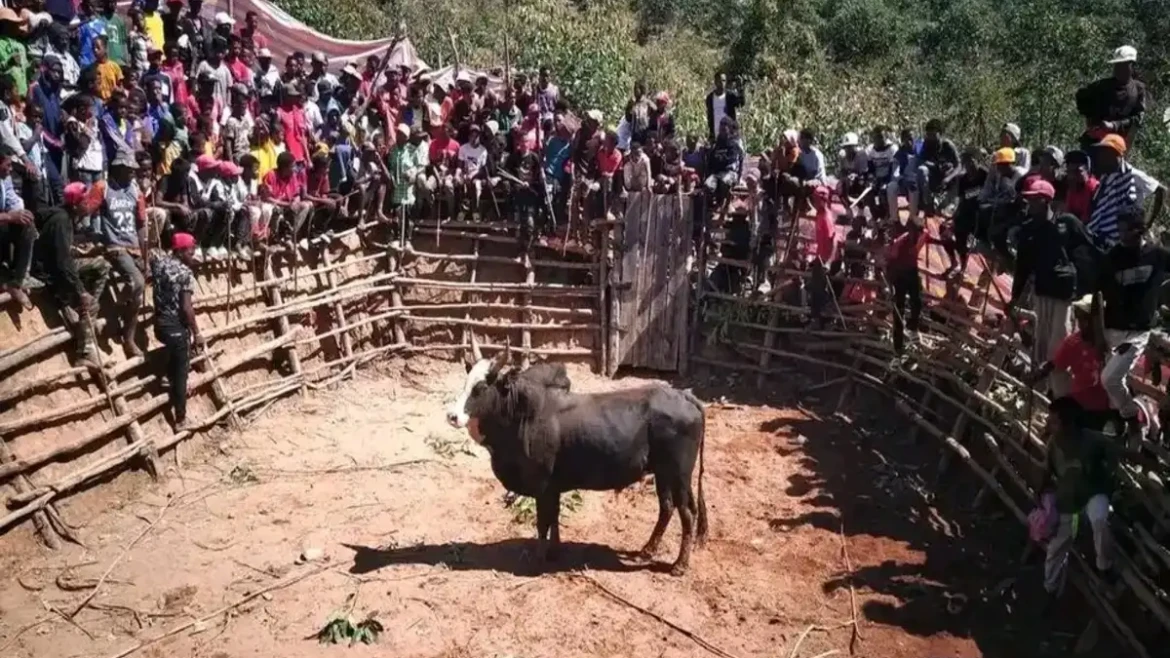
The established Savika area is usually a large, open space, often a local sports ground or a temporary enclosure. It becomes intensely ringed by an excited and packed crowd, filled with high expectations. The initial moments are deeply woven with custom. The mpisavika (the brave competitors) carefully ready themselves, both in mind and body, sometimes through periods of denial and focused petition. Some seek guidance from Ombiasy (traditional healers) for protective charms or powerful blessings, thought to grant them momentary invincibility.
 The Event Unfolds: A Blend of Intensity and Skill
The Savika demonstration itself is an absolutely thrilling spectacle. Onlookers, standing tightly together around the edge, create an intensely energetic atmosphere with their loud shouts, synchronized singing, and eager encouragement. Musicians add to the sensory impact, making compelling sounds with the kabosy, flutes, and drums, bringing a strong, almost fundamental sound backdrop to the proceedings.
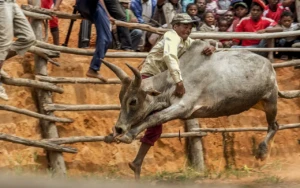
Right in the middle of the enclosure, a zebu—often a spirited young bull specially selected for its exceptional vigor and commanding temperament—is dramatically released. This is an animal weighing around 400 to 600 kilograms, recognized by imposing horns and a noticeable muscular hump above its shoulders. The mpisavika’s goal is deceptively simple to state but hugely hard to achieve: to latch onto the zebu’s hump and stay connected for the longest possible stretch, all while the beast, agitated, frightened, and angered, constantly tries to throw off its “rider.”
Mpisavika are generally young men, some barely teenagers, typically aged between 15 and 30 years. Wearing only simple shorts or trousers, they bravely enter the arena bare-chested, showing their sheer nerve. The moment the mpisavika locks on is undeniably crucial. He must show remarkable agility to quickly dodge sharp, sweeping horns and forceful, sudden head movements, all while scrambling to find a secure, comfortable position on the hump. Once attached, the mpisavika is immediately carried away on a wild, unpredictable surge, his body violently shaken and struck by the creature’s abrupt, powerful actions. He must have enormous stamina to withstand jarring impacts, sudden changes in direction that cause disorientation, and the sheer, raw strength of the zebu, which can, with a forceful leap, send him many meters skyward.
Savika is not just a contest of power, but a deep test of perseverance, firm commitment, and mental toughness. The mpisavika who clings the longest or pulls off the most impressive, bold maneuvers (like briefly standing on the animal’s back) is greatly celebrated as a victor, a true hero. There is no concept of “conquering” the animal in a typical Western sense; the real triumph lies in the clear display of courage, deep inner strength, and a respectful awe for the creature’s wild power. In its essence, it is a raw, fundamental trial that pushes human limits to their extreme.
Savika, a Milestone and a Symbol of Identity
Beyond the intense excitement and captivating visual presentation, Savika is deeply interwoven into the very texture of Betsileo community structure and strongly held beliefs. For a young man, actively participating in Savika marks a noteworthy, clear step towards full maturity. It acts as a powerful, public demonstration of his bravery and growing manhood. It is an essential way to clearly show he is ready to start a family, accept the solemn duty of marriage, and take on key responsibilities within the close-knit group. A successful mpisavika earns immense respect and deep regard; elders proudly speak his name at community gatherings, and his brave deed is respectfully passed down through storytelling to younger, eager generations.
Savika also strongly reinforces community ties. Participants often come from neighboring villages, and their personal performance directly influences the prestige of their family and broader lineage. It is a truly uniting occasion, where any existing differences are temporarily set aside in favor of a shared, collective celebration. The accompanying music and dances, lively and heartfelt, act as strong expressions of happiness, shared pride, and an enduring link to the ancestors and the rich history.
Spiritually, the profound connection with the zebu is absolutely key. These majestic animals are often seen as sacred passages to the world of the ancestors or revered stores of age-old energy. The mpisavika seeks not to degrade or master the zebu, but rather to respectfully measure himself against a potent force of nature and, by doing so, gain strength and wisdom from it. This deep interaction often resembles a sacred conversation between the visible world of the living and the mysterious domain of the spirit.
The Challenges and the Future of Savika in Ambositra
Like many valued ancestral customs, Savika faces considerable hurdles in the rapidly changing modern age. The welfare of participants and those watching is a leading, urgent worry. Incidents are not rare and regrettably carry the risk of serious harm, or even death. The zebu’s notably sharp horns and naturally unpredictable strength present an ongoing danger to the mpisavika and sometimes to onlookers standing too near the action. Consequently, there are growing demands for improved safety measures and thoughtfully applied regulations, importantly, without fundamentally altering or diminishing the deep essence of the tradition.
The increasing development of tourism in Madagascar also brings complex issues surrounding genuineness and safekeeping. While Savika certainly draws more international visitors, it is absolutely crucial to make sure that its commercial aspect does not unintentionally weaken its deep ritual and cultural core. Local groups in Ambositra and the surrounding areas are strongly committed to ensuring that Savika stays primarily an authentic reflection of their deep identity, rather than turning into only a tourist draw.
Despite these intrinsic difficulties, Savika in Ambositra remains firmly established and spirited. Local community organizations are actively involved in protecting it and diligently passing its invaluable knowledge down to succeeding generations. Traditional festivals continue to prominently feature Savika, and public enthusiasm shows no discernible sign of diminishing. The Malagasy government and various cultural institutions actively acknowledge the paramount importance of safeguarding this distinctive heritage, striving diligently for a delicate balance between contemporary considerations, enhanced safety, and honoring these deeply established, cherished customs.
Conclusion: An Expedition to the Heart of the Betsileo Spirit
Savika in Ambositra is far more than just a spectacular show of strength and raw valor. It offers an intimate, unparalleled glimpse into the resilient spirit of the Betsileo, a proud and steadfast people. It is a time-honored practice that intrinsically connects generations, pays profound respect to revered ancestors, and powerfully shapes the identities of young men stepping into their roles. For anyone seeking to discover the authentic, profound side of Madagascar, far beyond typical tourist portrayals, witnessing a Savika in Ambositra is an indelible moment—a full, immersive expedition into a culture rich in potent symbolism and deeply powerful, raw emotion. It stands as a living, breathing testament to a tradition that, despite the relentless march of time, continues to surge forward, powerful and untamed, much like the majestic zebu it so honorably celebrates.