
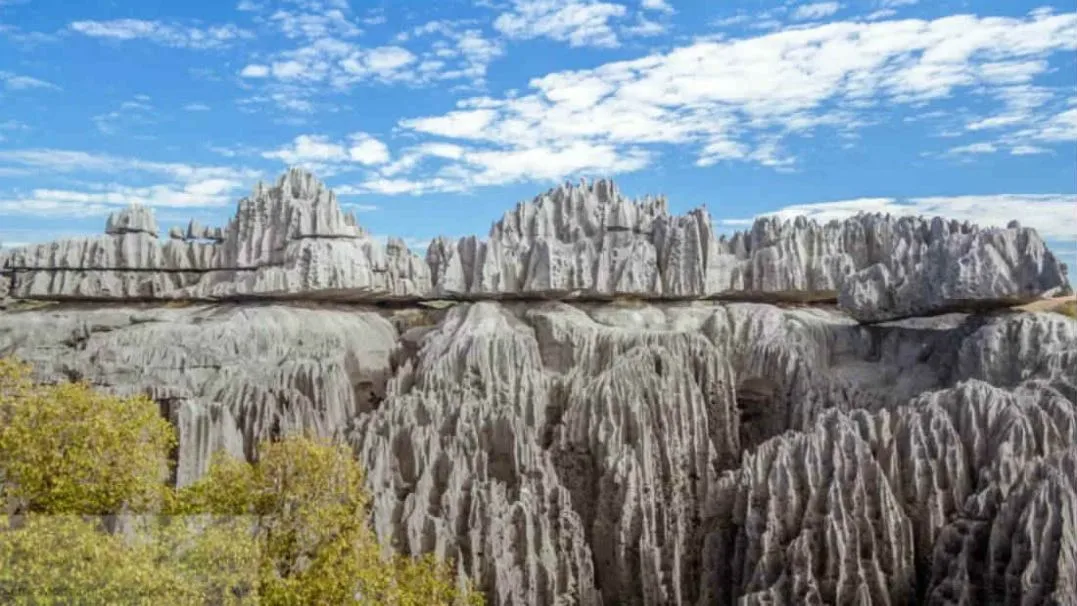
You’ll feel it the moment you step off the trail: limestone needles rising like a stone ocean, the air cooler in the shade, and a strange silence broken by the scrape of your shoes on rock. A Tsingy de Bemaraha tour is not just “a national park visit” – it’s one of the most physical, surreal, and rewarding days you can have in Madagascar.
If you’re planning a Madagascar trip from the US, the big question usually isn’t whether Tsingy is worth it. It’s whether it fits your time, your comfort level with remote logistics, and your appetite for adventure. Here’s what a Tsingy de Bemaraha experience actually looks like on the ground, and how to plan it so it feels epic instead of exhausting.
What makes Tsingy de Bemaraha so different
Tsingy de Bemaraha National Park sits in western Madagascar, where ancient seabeds have been carved by water into razor-sharp pinnacles. “Tsingy” roughly translates to a place you can’t walk barefoot – which is both poetic and practical.
What surprises most travelers is how varied the landscape feels within a single visit. You move from dry forest to catwalks bolted into rock, then into narrow limestone corridors, then up onto open viewpoints where the whole stone forest spreads to the horizon. It’s part geology lesson, part jungle hike, part vertical adventure.
You’re also in a region where wildlife shows up differently than in the rainforests. Lemurs can appear quietly in the trees, and birds often steal the show. The real headline, though, is the terrain itself – it’s the kind of place you describe to friends and they don’t quite believe you until they see photos.
Choosing the right Tsingy de Bemaraha tour style
There are two main “Tsingy” experiences, and your choice affects the whole trip.
The Small Tsingy (Petit Tsingy)
This is the gentler introduction. You’ll still climb, squeeze through rock passages, and gain viewpoints, but the exposure and technical sections are limited. If you’re traveling with mixed fitness levels or you want a big day without testing your nerves, Petit Tsingy is often the sweet spot.
The Big Tsingy (Grand Tsingy)
This is the iconic version most people imagine. It involves longer circuits, more ladder work, and more time on suspended bridges and via ferrata-style routes. It’s thrilling, but it’s not the day to discover you hate heights.
If you’re torn, it depends on your timeline and how you like to travel. Grand Tsingy rewards confident movers who enjoy a challenge and don’t mind a full, demanding day. Petit Tsingy is still a “wow” experience and pairs well with a more relaxed itinerary that also includes river time, baobabs, and beach days.
How long you need (and why Tsingy is rarely a quick detour)
On a map, Tsingy looks close enough to squeeze into a western circuit. In real life, the roads decide your schedule.
Most travelers visit Tsingy via Bekopaka, the gateway town near the park. Getting there typically involves overland travel across rough sections and at least one river crossing by ferry. That’s part of the adventure – and the reason you generally want multiple days set aside.
If you want the experience to feel comfortable, plan on at least 3 days for the Tsingy segment itself (approach day, park day, exit day). Many classic routes include Tsingy as a highlight between Morondava (baobabs) and the interior or the coast. If you’re building a 10-15 day itinerary, it fits beautifully. If you only have a week in Madagascar, it becomes a bigger trade-off.
The real logistics: roads, ferries, and timing
This is the part travelers underestimate, especially if you’re used to national parks with easy access.
Road conditions can change by season and even by week. You may have long, bumpy stretches where speeds drop dramatically, and you’ll be very happy you chose a strong vehicle and a driver who knows the region.
The river ferry crossing is a memorable detail, but it also creates a natural bottleneck. You can’t just “arrive whenever.” The best plans build in margin so you’re not racing daylight or stressing about check-in.
If you’re the kind of traveler who prefers certainty, this is where a private, locally managed plan shines. When the road throws surprises, having someone on the ground who can adjust the timing, reroute, or shift hotel nights is the difference between a good story and a ruined day.
What the hiking feels like: difficulty, heights, and gear
A Tsingy de Bemaraha tour is active. Even the easier circuits involve climbing and uneven footing. You don’t need to be an athlete, but you do need decent balance, patience, and a willingness to move carefully.
Heights are a real factor. The park uses ladders, metal stairs, and suspension bridges to cross gaps and reach viewpoints. Everything is designed for guided travel, and guides manage pacing and safety, but you should be honest with yourself about exposure. If you’re uncomfortable with ladders or you get panicky on narrow walkways, say it upfront so the route can be matched to you.
Wear closed-toe hiking shoes with good grip. Bring water you can actually access while moving, and pack light. Gloves can be helpful for ladders and cables, and a small daypack beats a heavy bag every time. The rock can be sharp, and you’ll want to protect your hands and focus on footing.
When to go: season matters more here than most places
Tsingy is typically best visited in the drier months, when the roads are more reliable and trails are safer. Wet conditions can make sections slick and slow. Also, if the approach roads become difficult, you can lose precious days just getting in and out.
That doesn’t mean shoulder season is automatically a bad idea. It can mean fewer crowds and beautiful light, but it does raise the “it depends” factor. If Tsingy is your must-do, build the trip around the most reliable weather window.
What you’ll see beyond the stone forest
Tsingy rarely stands alone in an itinerary, and that’s a good thing. The approach from Morondava pairs naturally with the Baobab Alley at sunrise or sunset – one of those places that actually lives up to the hype.
Many travelers also include river scenery and small village life along the western route, which adds a cultural layer that makes the geology feel less like a postcard and more like a real journey through Madagascar.
And if you’re building a longer trip, Tsingy contrasts perfectly with rainforest regions like Andasibe or Ranomafana. You go from jagged limestone and dry forest to lush canopies and different lemur species – it feels like two countries in one vacation.
Permits, guides, and what’s included
You can’t simply walk into Tsingy and wander. Park entry is organized, and you’ll be assigned a local guide. This is a good thing: the terrain is complex, the safest lines through the rock aren’t obvious, and a good guide turns the day into a story instead of a stressful scramble.
Expect fees for entrance and guiding, and in some cases additional costs depending on the circuit. If you’re comparing tour options, ask whether park fees and guide fees are included, and whether your itinerary accounts for realistic time in the park rather than a rushed “photo stop.”
Private tour vs DIY: the honest trade-off
Independent travelers can piece together transport and lodging, but this region is where DIY gets complicated fast. The route is remote, conditions change, and timing is everything.
A private tour costs more than improvising, but it buys you consistency: a vehicle suited for the road, a driver who knows the rhythm of the ferries and the checkpoints, and someone coordinating hotels so you’re not arriving late to find the best rooms gone.
If you want the flexibility to stop for photos, adjust your pace, and keep the trip centered on your interests, private planning is also simply more comfortable. That’s the core value of custom ground handling.
If you want a fully tailored western circuit that includes Tsingy, baobabs, and the right balance of adventure and downtime, Travelers of Madagascar can design it as a private itinerary with vetted drivers, local guides, and hotel choices matched to your style.
A few planning moves that make the day better
Start early. Not because it’s trendy, but because Tsingy rewards unhurried movement. Early starts mean cooler temperatures and more time to enjoy viewpoints without feeling rushed.
Keep the day before manageable. If you arrive in Bekopaka completely wiped from a punishing drive, the next morning’s climb can feel harder than it should. A smart itinerary protects the Tsingy day.
Finally, treat Tsingy like the main event, not an add-on. Give it space in the schedule and you’ll remember it as the moment Madagascar turned from “amazing” into “how is this real?”
Let the stone forest set the pace, and you’ll leave with that rare feeling of having earned the view – not just visited it.