
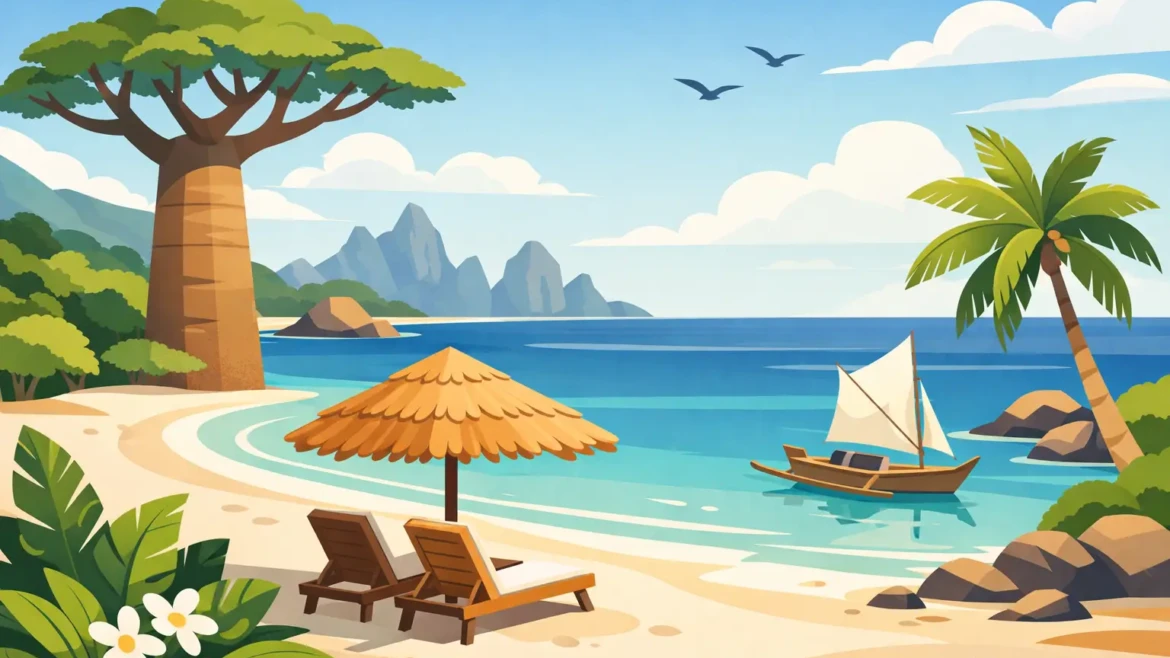
You do not come to Madagascar only for the beach. That is exactly why the best Madagascar beach extensions work so well here. After early mornings tracking lemurs, long scenic drives through highlands, or days spent among baobabs and tsingy, a few nights on the coast can change the pace of the trip without feeling like a separate vacation.
The key is choosing the right beach ending for the route you are already traveling. Madagascar is huge, roads can be slow, and not every coastal stay makes sense after every inland circuit. The smartest beach extension is not always the most famous one. It is the one that fits your itinerary, travel style, and tolerance for transfers.
How to choose the best Madagascar beach extensions
For most travelers, the decision comes down to three things: access, atmosphere, and what kind of finish you want for the trip. Some beach areas are easy add-ons after a northern wildlife route. Others pair naturally with the south or west. A beautiful beach can still be the wrong choice if it requires two extra flights and a long boat transfer at the end of an already ambitious itinerary.
Atmosphere matters just as much. Some travelers want soft-sand downtime with comfortable hotels and easy snorkeling. Others want something more remote, where the beach is part of the adventure and not just a resort stay. And then there is seasonality. Sea conditions, wind, road access, and island transfers can all shift the experience depending on the month.
If you are building a custom itinerary, beach time should feel like a continuation of the journey, not a logistical punishment at the end of it.
Best Madagascar beach extensions by region
Nosy Be and nearby islands
If you want the easiest and most classic choice, Nosy Be is often the strongest option. It works especially well after a northern route that includes places like Ankarana, Amber Mountain, or even a broader cross-island itinerary that finishes with a domestic flight north. It is Madagascar’s best-known beach area for a reason. Access is relatively straightforward, accommodation standards are broad, and there is enough infrastructure to keep the beach portion comfortable without losing the sense that you are still in Madagascar.
Nosy Be itself is not only about lying on the sand. It is a practical base for island-hopping, snorkeling, diving, sunset cruising, and marine excursions. If your trip has been wildlife-heavy and active, this area lets you slow down without becoming bored.
The trade-off is that Nosy Be is not the most secluded beach experience in the country. It is more developed, more social, and more visibly tourism-oriented than some southern or western alternatives. For many first-time visitors, that is a plus. For travelers seeking silence and a castaway feel, nearby islands may be a better fit.
Nosy Komba and Nosy Tanikely can turn a standard beach ending into something more textured. Nosy Komba adds village life and a greener island atmosphere, while Nosy Tanikely is often chosen for marine life and clear water. These smaller islands work best for travelers who want a lighter, more intimate extension rather than a resort-centered stay.
Anjajavy
Anjajavy is one of the most distinctive beach extensions in Madagascar because it does not separate coast from nature. This is where dry forest, tsingy landscapes, wildlife, and shoreline come together in one polished, remote setting. For travelers who want a premium ending that still feels deeply connected to the island’s ecosystems, it is hard to beat.
This is not the right choice for everyone. It is more exclusive, and the logistics and pricing reflect that. But for honeymooners, couples marking a major trip, or travelers who want their beach stay to feel exceptional rather than generic, Anjajavy earns its place.
It also suits people who are not interested in doing nothing for three days. You can rest here, absolutely, but you can also walk, explore, watch wildlife, and enjoy a setting that feels very specific to Madagascar. That combination is rare.
Ifaty and Mangily
For travelers ending in the southwest, Ifaty and nearby Mangily are among the most practical beach extensions. They pair naturally with a route that includes Tulear, Isalo, Ranomafana, or the RN7 corridor. Instead of adding another major flight to the trip, you can transition into the coast more efficiently.
This coastline is better for travelers who value atmosphere and access over picture-perfect tropical-island fantasy. The beaches can be lovely, the light is beautiful, and the reef area brings snorkeling and boat outings into the mix. The region also has cultural depth through Vezo fishing communities and the distinctive spiny forest landscape nearby.
The trade-off is that Ifaty is not always the polished, turquoise-lagoon version of paradise some travelers imagine when they hear “Indian Ocean beach.” Conditions can vary, and seaweed, wind, and tide patterns matter. But if your goal is a warm, relaxed coastal ending that fits naturally after a southern overland adventure, it makes a great deal of sense.
Anakao
If you like the southwest idea but want a more rewarding beach feel than Ifaty often delivers, Anakao is worth serious attention. Reached by boat from Tulear, it feels more removed and more atmospheric. The beaches are typically stronger, the setting is calmer, and the whole experience has more of that “you made it somewhere special” quality.
Anakao works well for travelers who want a few final days of barefoot relaxation with some optional activity. Depending on season, this can include snorkeling, island excursions, and whale shark or humpback whale experiences in the broader marine area. It is especially appealing after a route with a lot of driving, because once you arrive, the pace changes immediately.
The boat transfer is part of the appeal, but it is also part of the calculation. If you prefer the simplest possible end to a trip, it may feel like one step too many. If you do not mind that extra movement in exchange for a more memorable beach atmosphere, Anakao often wins.
Best Madagascar beach extensions for different travel styles
For first-time visitors
Nosy Be is usually the safest recommendation. It is easy to understand, easy to enjoy, and easy to combine with a broader itinerary. If you want one beach extension that works for a wide range of travelers, this is the most dependable answer.
For honeymooners and special trips
Anjajavy stands out for couples who want privacy, strong service, and a setting that feels both luxurious and rooted in Madagascar’s landscapes. Anakao can also be a beautiful choice if you prefer something softer, coastal, and less structured.
For wildlife-focused travelers
Anjajavy is excellent because the nature experience does not stop when the beach portion begins. Nosy Be and its nearby islands also work well if marine life is part of the attraction, especially for snorkeling and diving.
For travelers already doing the south
Ifaty and Anakao are the most logical extensions. The right choice depends on whether you prioritize convenience or a more distinctive beach atmosphere. Ifaty is easier. Anakao is often more rewarding.
Timing matters more than most travelers expect
Madagascar does not have one simple beach season that applies everywhere equally. Conditions vary by coast. The north and offshore islands can be excellent, but tropical weather patterns need to be considered. The southwest is drier and often appealing for a very different reason, with a more rugged coastal character.
This is where local planning makes a real difference. A beach extension that looks perfect on paper can become less appealing if it falls in a windy stretch, rough sea period, or awkward connection window. The best itinerary is not built around a map alone. It is built around real transfer times, seasonal patterns, and how much energy you will still have at the end of the inland journey.
What most travelers get wrong
The most common mistake is treating beach time as an afterthought. They spend weeks choosing parks and lodges inland, then tack on “three nights somewhere coastal” without checking how it fits the route. That can lead to unnecessary transit days, underwhelming beaches, or a final stretch that feels more tiring than restorative.
The second mistake is chasing the most famous name instead of the best match. A couple wanting romance and quiet may not want the same beach ending as a group of friends who want boat trips and lively evenings. A birder finishing a remote northern circuit may need something very different from a first-time visitor doing the classic south.
That is why the best Madagascar beach extensions are not universal. They are situational.
For many travelers, the strongest pairings are simple. Nosy Be after the north. Anakao or Ifaty after the south. Anjajavy when the beach ending itself is meant to be a standout chapter. With custom trip planning, that final coastal stretch can feel perfectly placed rather than added on. Travelers of Madagascar often sees this difference clearly on the ground: the right ending does not just help you rest, it helps the whole trip land exactly as it should.
If you are planning Madagascar well, save some of your ambition for the final days. A great beach extension is not extra. It is what gives a big, wild, unforgettable journey the space to settle in.