
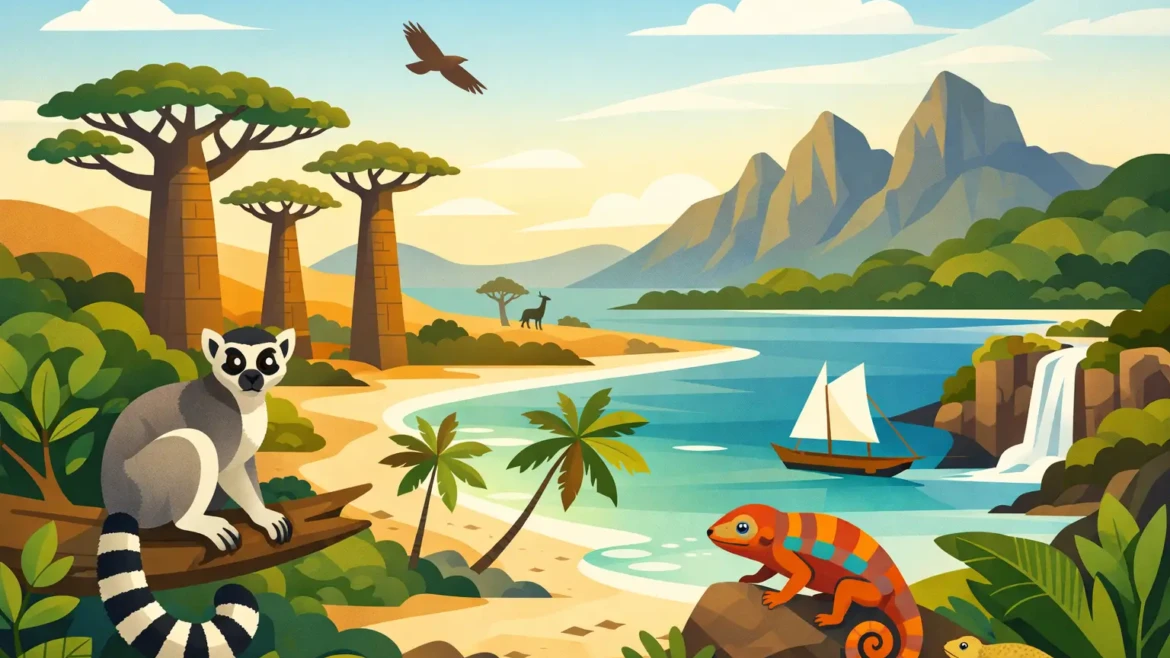
Madagascar is not the kind of trip you book on a whim and figure out later. Distances are long, roads can be slow, and the best experiences – seeing lemurs at dawn, crossing the stone forests of Tsingy, ending on a quiet beach in Nosy Be – depend on smart timing and a route that actually works on the ground. That is exactly why a guía completa viaje Madagascar matters: this is a destination where good planning changes everything.
For many US travelers, Madagascar sits in that rare category of dream trip and logistical puzzle at the same time. It promises wildlife found nowhere else, landscapes that feel almost prehistoric, and cultural encounters far from standard safari circuits. But it also asks for realism. You do not come here to check off ten places in seven days. You come to experience a different world properly, with enough time to move, pause, and absorb it.
Guía completa viaje Madagascar: what to know first
Madagascar is huge. Looking at a map, it is easy to underestimate travel times, but routes that seem straightforward can take a full day on the road. Domestic flights can help, though schedules may change, and overland travel remains part of the experience. That is why the best itineraries are built around a few regions that connect well rather than trying to cover the entire island.
The first question is not simply what you want to see. It is what kind of trip you want to have. If your priority is endemic wildlife, the eastern rainforests and central highlands make sense. If you want dramatic landscapes, baobabs, and the famous limestone formations of Tsingy, western Madagascar should be central. If you need a softer finish after inland travel, add beach time in Nosy Be or another coastal area. The strongest trips usually combine two or three of these elements, not all of them.
Madagascar also rewards travelers who accept a little unpredictability. Weather shifts, road conditions vary, and remote destinations do not always run on the same rhythm as more developed tourism markets. That is part of the appeal, but it is also why local handling matters so much.
When to go and how season changes the trip
There is no single perfect month for everyone. It depends on your route and priorities.
April to November is generally the most comfortable window for classic overland travel. Roads are more manageable, parks are easier to access, and temperatures are pleasant in many regions. July through October is especially popular for wildlife and broad itinerary planning, though some areas can feel busier.
If you are interested in lush landscapes and fewer visitors, shoulder months can be excellent. The trade-off is that conditions may be less predictable. During the rainy season, especially from January through March, some roads and parks become difficult or impossible to access. Cyclones can affect travel plans. That does not make travel impossible across the whole country, but it does mean route selection becomes more limited and contingency planning becomes essential.
For wildlife lovers, seasonality shapes what you see. Some months are better for birding, others for chameleons, whales, or newborn lemurs. If you have a specific species or experience in mind, it is worth planning the trip around that rather than choosing dates first and hoping for the best.
The best route depends on your travel style
A first trip to Madagascar usually works best at 10 to 15 days. Shorter than that, and you spend too much time in transit. Longer than that, and you can start connecting very different regions in a more relaxed way.
A classic first itinerary often starts in Antananarivo, continues to Andasibe for rainforest wildlife, then heads south or west depending on your interests. Andasibe is one of the easiest places to see lemurs well, including the indri, whose haunting call is one of the unforgettable sounds of Madagascar. It is accessible enough for first-time visitors and still feels wild.
If baobabs, dry forests, and iconic landscapes matter most, a western route toward Morondava and the Avenue of the Baobabs is hard to beat. Add Tsingy de Bemaraha if you want a true adventure. This is one of the most spectacular protected areas in the country, but getting there takes time and patience. The reward is immense. The trade-off is comfort. This is not the smoothest section of a Madagascar trip, and that is precisely why it stays memorable.
For travelers who want a broader cross-island journey, combining the central highlands, eastern forest, and a beach ending can create a balanced experience. This style of route works especially well for couples or small private groups who want wildlife, scenery, and a few slower days by the coast.
Wildlife is the headline, but not the whole story
Most travelers come for lemurs, chameleons, and Madagascar’s astonishing biodiversity, and rightly so. The island is one of the great wildlife destinations on earth. But the trip becomes richer when you leave room for the human side of the country as well.
Markets in the highlands, village encounters, roadside landscapes, traditional crafts, and the rhythms of daily life all help make sense of the places between the parks. Madagascar is not a theme park of endemic species. It is a living country with regional identities, agricultural landscapes, and communities that shape every journey.
This is also why guide quality matters. A strong local guide does more than point out a sifaka in the trees. They translate context. They explain why one region grows rice, why architecture changes from one area to the next, why travel times are what they are, and how to move through the country with respect.
Transportation can make or break the experience
This is the part many travelers underestimate most. In Madagascar, the vehicle, the driver, and the route planning are not background details. They are central to the quality of the trip.
A long road day with the right driver feels manageable. The same road with poor pacing, weak communication, or an unreliable vehicle can drain the entire trip. For independent-minded travelers, car hire can be useful, but self-driving is not always the best choice unless you are very comfortable with remote road conditions and local navigation realities. Many visitors are happier with a private driver and a planned route, because it frees them to focus on the experience rather than the mechanics.
This is where working with an on-the-ground specialist can save both time and stress. Travelers of Madagascar, for example, builds private itineraries around actual road conditions, park access, and vetted local teams rather than generic map assumptions. In a destination like this, that kind of local control is not a luxury. It is often the difference between a trip that flows and one that constantly needs fixing.
Hotels and comfort levels vary by region
Madagascar is not a uniform hotel market. In some areas, you will find charming lodges with strong character and excellent settings. In others, the best available option may still feel simple by international luxury standards. That does not mean the trip lacks comfort. It means expectations should match the region.
The smartest approach is to prioritize where comfort matters most to you. After demanding road sections, a better lodge can be worth every dollar. In remote nature areas, location often matters more than polished design. A property near the park entrance or with beautiful natural surroundings may deliver a better experience than a technically higher-end hotel farther away.
For honeymooners or travelers celebrating a major trip, mixing practical inland accommodations with stronger beach properties often works well. You get the adventure you came for without trying to force the entire country into one hospitality standard.
Budget, value, and what affects cost
Madagascar can offer strong value compared with some other long-haul wildlife destinations, but it is not a bargain-basement trip if done properly. Costs are shaped by route length, vehicle days, domestic flights, hotel category, and whether you are traveling privately.
Private travel costs more upfront than joining a group, but it offers real advantages here. You gain flexibility, better pacing, and far smoother logistics. For many US travelers, especially couples or small groups, the value lies in reducing friction in a country where transportation and timing are complex.
Trying to cut costs too aggressively can backfire. A cheaper route with unrealistic transit times, weak vehicles, or inconsistent hotels often becomes more expensive in energy than it saves in money. Madagascar rewards thoughtful spending in the areas that matter most: driving, guiding, route design, and the right park sequence.
Final planning advice before you book
Start with your non-negotiables. If seeing indri lemurs, photographing baobabs at sunset, and ending on the beach are your top three, build around those and let the itinerary breathe. Do not chase every highlight on the map.
Give the trip enough days. Ten to fifteen is a strong range for most first visits. Pack with flexibility, expect some long drives, and choose partners who know how the country works in real time, not just on paper.
Madagascar is one of those rare places that still feels genuinely wild, and that is exactly why it deserves careful planning. Get the route right, and you do not just visit Madagascar – you experience it with the depth, wonder, and confidence this extraordinary island deserves.