Mahajanga, Madagascar: The Sun-Drenched Gateway to Baobabs, Caves, and Untamed Wilderness
Perched on the northwestern coast of Madagascar, where the mighty Betsiboka River meets the Mozambique Channel, lies Mahajanga (commonly known as Majunga). More than just a port city, it is a vibrant, sun-drenched tapestry of cultures, histories, and landscapes. Affectionately nicknamed “The City of the Sun” for its boast of over 300 sunny days a year, Mahajanga seduces visitors with its laid-back, almost Mediterranean atmosphere, its spectacular fiery sunsets, and its rich, cosmopolitan heritage.
But its true magic lies in its role as a gateway. Mahajanga is the perfect launchpad for exploring some of Madagascar’s most awe-inspiring natural wonders: from the dramatic crimson landscapes of the Cirque Rouge and the vast cave systems of Anjohibe to the serene beaches of Katsepy. More significantly, it is the primary access point for expeditions into two of the country’s most remote and spectacular protected areas: the otherworldly limestone labyrinth of Namoroka National Park and the critical conservation sanctuary of Baly Bay National Park. This comprehensive guide delves deep into the city’s multifaceted identity, exploring its history, its unique ambiance, and serving as your essential handbook to the unforgettable excursions that radiate from this coastal hub.
Part 1: A Crossroads of Cultures – The Rich History of Mahajanga
Mahajanga’s identity has been shaped by centuries of exchange, making it one of Madagascar’s most culturally rich and intriguing cities.
1.1. Ancient Foundations: Maritime Trade and Foreign Influence
Long before European eyes gazed upon its shores, Mahajanga was a thriving hub on Indian Ocean trade routes. Its strategic location attracted Arab, Swahili, and Indian merchants as early as the 10th century. These traders came for precious commodities: spices, textiles, incense, and slaves, exchanging them for Malagasy goods like rice, dried fish, and cattle. This established Mahajanga as a melting pot, a place where languages, customs, and religions began to blend, leaving an indelible mark on the city’s architecture, cuisine, and social fabric that is still visible today.
1.2. The Sakalava Boina Kingdom
From the 17th to the 19th century, Mahajanga served as the capital of the Sakalava Boina Kingdom, one of the most powerful and influential empires in Madagascar. The Sakalava were masterful diplomats and warriors, controlling much of the island’s northwest coast and its lucrative trade. Their power was rooted in a strong spiritual and cultural system, including the veneration of royal ancestors and the practice of the tromba (spirit possession) ceremony. The legacy of the Sakalava kingdom is deeply embedded in the region’s identity, from its music and dance (like the energetic salegy rhythm) to the enduring respect for ancestral customs and taboos (fady).
1.3. The French Colonial Era
In the late 19th century, Madagascar fell under French colonial rule. Mahajanga’s deep-water port made it a key administrative and military center. The French constructed warehouses, government buildings, and the infrastructure that modernized the city’s core. The charming waterfront promenade and many of the decaying yet elegant colonial buildings in the city center are remnants of this era, adding a layer of nostalgic charm to the city’s aesthetic.
Part 2: The Atmosphere and Geography of a Sun-Kissed City
Mahajanga possesses a unique geography and ambiance that sets it apart from any other city in Madagascar.
2.1. A Tranquil, Seaside Vibe
The pace of life in Mahajanga is refreshingly slow and relaxed. The heat encourages a certain languor, and life revolves around the sea. The heart of the city is its Bord de Mer (Waterfront). This long, sweeping promenade is where the entire city comes to life in the late afternoon. Families stroll, couples walk hand-in-hand, and children play as everyone gathers to witness the daily spectacle of the sun melting into the Mozambique Channel—a ritual that paints the sky in breathtaking hues of orange, pink, and purple.
As dusk falls, the waterfront transforms into a massive open-air street food paradise. The air fills with the enticing smells of sizzling brochettes de zébu (grilled beef skewers), fresh grilled fish, and sweet mangoes. It’s a place of pure, convivial energy and a must-experience cultural immersion.
2.2. The Iconic Giant Baobab
At the physical and symbolic center of Mahajanga stands its most famous resident: a monumental, centuries-old Baobab tree (Adansonia digitata). This colossal tree is so integral to the city’s identity that the town literally grew up around it. It is a beloved meeting point, a place of shade and conversation, and a powerful symbol of resilience and natural wonder for the people of Mahajanga. No visit is complete without a photo next to this ancient giant.
Part 3: What to See and Do in Mahajanga Itself
Before venturing out, take time to explore the city’s own attractions.
- The Bord de Mer: As described, this is the city’s living room. Spend time here day and night. Enjoy a coffee at a terrace café by day and feast on street food by night.
- The Beaches: While the best beaches require a boat trip, Mahajanga has several pleasant city beaches.
- La Petite Plage: A small, convenient beach right in the city, perfect for a quick dip.
- Amborovy: Located north of the city center, this long, sandy beach is lined with hotels and restaurants and is popular for swimming and relaxation.
- Grand Pavois: A local favorite for weekend picnics and family outings, offering a more spacious feel.
- Mahajanga’s Markets: Dive into the sensory overload of the city’s markets. The Bazar Be market is a labyrinth of stalls selling everything from vibrant textiles and intricate Sakalava woodcarvings to heaping piles of spices, fresh tropical fruits (famous for its myriad mango varieties), and the day’s catch from the channel—giant prawns, crabs, and countless fish species.
- The Cirque Rouge: Located just a short drive from the city, the Cirque Rouge is a stunning natural amphitheater of eroded cliffs and formations in brilliant shades of red, orange, and gold. The result of iron-rich soil erosion, the landscape is particularly dramatic at sunset. It’s an easy and highly rewarding half-day trip for incredible photography.
Part 4: The Epic Excursions – Exploring the Northwest’s Wonders
This is where Mahajanga truly shines as a base for exploration. The surrounding region is a treasure trove of natural and cultural sites.
4.1. The Caves of Anjohibe (80km North)
This is a full-day, adventurous excursion that requires a 4×4 vehicle but offers an unparalleled payoff. The Anjohibe cave system is a vast karst landscape featuring:
- Immense Caverns: Explore gigantic cathedral-like caves adorned with stalactites and stalagmites.
- Natural Pools and Underground Lakes: Take a refreshing dip in the crystal-clear, cool waters within the caves.
- Canyons and Wild Landscapes: The journey itself through the semi-arid terrain is an adventure.
- Wildlife: The caves are home to diverse bat colonies and are a haven for birdwatchers.
Anjohibe feels wild, remote, and utterly spectacular—a glimpse into a hidden, subterranean world.
4.2. Katsepy and the Lighthouse (Across the Bay)
A short and scenic boat ride across the Bombetoka Bay takes you to the quiet peninsula of Katsepy. The main attraction here is the historic lighthouse, built in the late 19th century. A climb to the top rewards you with a breathtaking 360-degree panoramic view of the entire bay, the distant skyline of Mahajanga, the winding Betsiboka River with its red waters, and the vast expanse of the Indian Ocean. The beaches in Katsepy are also quieter and more pristine than those in the city, making it a perfect half-day escape for peace and perspective.
4.3. The Sacred Lake of Mangatsa
This is a site of deep cultural and spiritual significance for the Sakalava people. Lake Mangatsa is considered sacred, and its waters are home to enormous fish that are considered taboo (fady) to catch. It’s a serene place, surrounded by lush vegetation, where you can learn about local spiritual traditions and the deep respect for nature that defines Malagasy culture.
4.4. The Antrema Reserve
A fascinating example of community-based conservation, the Antrema Reserve is both an ecological and cultural treasure. This protected area, co-managed by local communities and conservation scientists, safeguards a unique dry deciduous forest ecosystem that meets the coastline. A visit here offers:
- Lemur Spotting: It is one of the best places near Mahajanga to see Crowned Sifakas (Propithecus coronatus) and Brown Lemurs (Eulemur fulvus) in the wild.
- Birdwatching: The forest is a haven for bird enthusiasts, with numerous endemic species.
- Sacred Sakalava Sites: The reserve is a vital center for Sakalava culture, housing sacred tombs and being a site for important royal rituals and ceremonies. Visitors must be respectful and are often required to be accompanied by a local guide to understand the cultural taboos (fady).
4.5. The Mangroves of Bombetoka Bay
An excursion by pirogue (traditional dugout canoe) into the intricate network of Bombetoka Bay’s mangroves is a journey into a critical ecosystem. These tangled, salt-tolerant forests are nurseries for fish, filters for water, and buffers against coastal erosion. A guided boat tour reveals:
- Rich Biodiversity: Look for mudskippers, countless crab species scuttling through the roots, and a variety of water birds like egrets and kingfishers.
- Local Livelihoods: See firsthand how local communities sustainably harvest crabs and fish, demonstrating a deep, symbiotic relationship with this environment.
- A Unique Perspective: Gliding through the quiet, shaded channels offers a peaceful and completely different view of the Mahajanga region.
4.6. Namoroka National Park (The “Other Tsingy”)
Approximately 220 km northeast of Mahajanga.
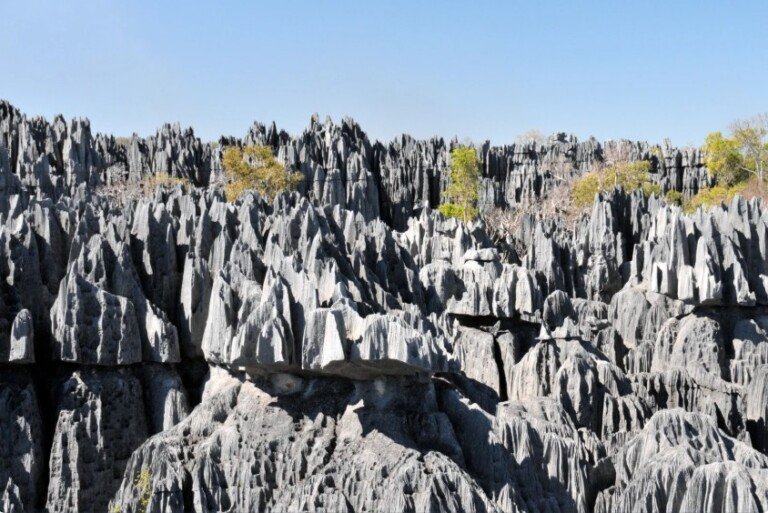
Often overshadowed by its famous cousin, Tsingy de Bemaraha, Namoroka National Park (also known as Tsingy de Namoroka) offers a similarly dramatic landscape of sharp limestone pinnacles without the crowds. This is a destination for true adventurers and those who wish to experience the surreal beauty of a “tsingy” formation in near-total solitude.
- A Labyrinth of Stone: The park’s defining feature is its extensive “tsingy”—a deeply fissured limestone plateau where erosion has carved a labyrinth of canyons, caves, and needle-sharp rock spires. Exploring this geological wonder involves climbing ladders, squeezing through narrow passages, and crossing suspended bridges, offering a true sense of discovery.
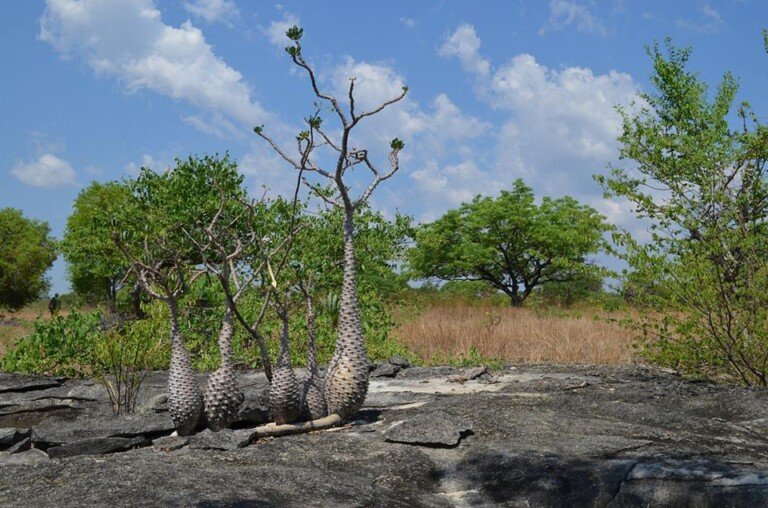
- Rich Biodiversity: The isolated nature of the park has made it a sanctuary for wildlife. It is home to several species of lemurs, including the Decken’s sifaka and the grey mouse lemur, as well as numerous reptiles, birds, and a host of endemic plants that have adapted to the unique mineral-rich soil.
- The Canyon des Rats: One of the park’s most spectacular sites is a massive, water-carved canyon that slices through the tsingy, creating a cool, shaded oasis rich with vegetation and wildlife.
- Logistics: Reaching Namoroka is a significant undertaking. The journey involves a very long and rough 4×4 drive from Mahajanga (often requiring an overnight stop en route). Visits are best done as part of a multi-day camping expedition with a fully equipped vehicle, an experienced driver, and a knowledgeable guide. The reward is one of Madagascar’s most awe-inspiring and least-visited natural wonders.
4.7. Baly Bay National Park (A Remote Coastal Wilderness)
Approximately 150 km north of Mahajanga.
For those seeking a truly remote and exclusive ecological experience, Baly Bay National Park is a destination like no other. This park protects a unique and fragile mosaic of ecosystems, including dry deciduous forest, dense mangrove swamps, and vast stretches of coastal sand dunes and beaches. It is one of the last remaining strongholds for a wealth of endangered and endemic species.
- A Sanctuary for Endangered Species: The park is critically important for the conservation of the Angonoka (Astrochelys yniphora), also known as the ploughshare tortoise. This is the world’s rarest tortoise, and Baly Bay is its only native habitat. A visit here, often in conjunction with conservation NGOs, offers a rare and privileged glimpse into a intense effort to save a species from extinction. The park is also home to a rich diversity of lemurs, including the mongoose lemur (Eulemur mongoz), and over 100 species of birds.
- Pristine Beaches and Diving: The coastline within the park is spectacular and utterly untouched. Miles of deserted white-sand beaches are backed by dunes and forest. The coral reefs offshore are healthy and teeming with marine life, offering fantastic opportunities for snorkeling and diving in crystal-clear, uncrowded waters.
- The Experience: Reaching Baly Bay is an expedition in itself, typically involving a long 4×4 journey from Mahajanga followed by boat transfers. Accommodation is extremely basic (often camping) and visits must be arranged well in advance with specialized tour operators and in coordination with park authorities. This is not a casual day trip but a committed adventure for serious nature lovers and conservation-minded travelers.
Part 5: Conclusion: More Than a Stopover, A Destination
Mahajanga is often treated as a transit point for travelers heading to Nosy Be or the mainland national parks. This is a profound mistake. To do so is to miss the point entirely.
Mahajanga is not a gateway to be passed through; it is a destination to be savored. It is a city that invites you to engage all your senses: to taste the ocean in its food, to feel the sun on your skin, to hear the rhythmic pulse of salegy music, to see the impossible colors of its sunsets and soil, and to touch the bark of a baobab that has witnessed centuries of history.
It offers a rich, nuanced, and deeply satisfying travel experience that combines beachside relaxation, cultural depth, historical intrigue, and adventurous exploration—from easy day trips to life-list expeditions into the wilds of Namoroka and Baly Bay. So, go for the sun, stay for the seafood, and leave with a piece of Mahajanga’s warm, multicultural heart forever with you. Your journey into the true northwest begins here.