3. A Birdwatcher’s Holy Grail
For ornithologists, Masoala is legendary. The sheer size of the forest supports populations of birds that have become extinct or critically endangered elsewhere.
The Helmet Vanga (Euryceros prevostii)
This is the bird everyone comes to see. With a body the size of a pigeon, rufous plumage, and a massive, heavy, bright blue beak, it looks almost prehistoric. It is the largest of the Vanga family and an icon of Malagasy wildlife. Spotting one requires a good guide and a bit of luck, but sightings are relatively frequent in the primary forest trails.
The Madagascar Serpent Eagle
Once thought to be extinct, this elusive raptor was rediscovered in Masoala in the 1990s. It is one of the rarest birds of prey in the world, patrolling the dense canopy hunting for geckos and snakes.
The Red Owl
Another species that was “lost” to science for decades before being found again in these forests. It is a small, rufous-colored owl that hunts in the deep forest understory.
In total, over 100 species of birds have been recorded here, more than 60% of which are endemic to Madagascar.
4. Reptiles and Amphibians: The Small Giants
Because Masoala is a rainforest with high rainfall, it is a paradise for “herps” (reptiles and amphibians).
The Tomato Frog (Dyscophus antongili)
Masoala (and the gateway town of Maroantsetra) is the best place to see this famous frog. As the name suggests, it is bright red-orange, resembling a ripe tomato. It is a large, heavy frog often found in muddy ditches, gardens, and near slow-moving water.
Leaf-Tailed Geckos (Uroplatus)
The masters of camouflage are abundant here.
- Uroplatus fimbriatus: The Giant Leaf-tailed Gecko. It can reach 30cm in length and sleeps flat against tree trunks, its fringed skin blending perfectly with the bark and lichen.
- Uroplatus phantasticus: The Satanic Leaf-tailed Gecko. Smaller and often resembling a dead, dried leaf.
Chameleons
You will encounter numerous species, including the large Parson’s Chameleon (one of the biggest in the world) and various tiny, ground-dwelling Brookesia chameleons hiding in the leaf litter.
5. The Marine Experience: Antongil Bay
Masoala isn’t just about the forest; it faces Antongil Bay, the largest bay in Madagascar. This body of water is a sanctuary in itself.
Humpback Whales (The Migration)
From July to September, Antongil Bay becomes a nursery. Humpback whales migrate from Antarctica to these warm, protected waters to give birth and breed.
- The Experience: Because the bay is sheltered, the waters are calm, allowing for incredible whale-watching opportunities. Mothers can often be seen teaching their calves to breach and slap their tails. Some lodges offer whale-watching excursions by boat or even kayak.
Snorkeling and Kayaking
The three marine reserves (Tampolo, Ambodilaitry, and Ifaho) protect coral reefs that are surprisingly healthy.
- Kayaking: One of the best ways to explore Masoala is by sea kayak. You can paddle along the coastline, where the rainforest overhangs the beach. The granite boulders meeting the turquoise water create a landscape reminiscent of the Seychelles, but with wild jungle instead of resorts.
- Snorkeling: You can step off the beach and snorkel among sea turtles, lobsters, colorful reef fish, and hard corals.
6. Nosy Mangabe: The Island of Spirits
Located in Antongil Bay, just a 30-minute boat ride from the town of Maroantsetra, is the island reserve of Nosy Mangabe. It is part of the National Park complex.
The Aye-Aye Sanctuary
In the 1960s, fearing the Aye-Aye was going extinct, scientists released several individuals on this island to create a breeding reserve. Today, it remains one of the best places in the world to see this bizarre nocturnal lemur.
- What is it? A lemur with bat-like ears, rodent teeth, and a long, skeletal middle finger used to tap on trees to find grubs.
- The Visit: Most visitors come for a night walk. You hike through the dark forest, and guides look for the reflection of the Aye-Aye’s eyes. Seeing one is a highlight of any trip.
Uroplatus Giants
Nosy Mangabe is also famous for its high density of Giant Leaf-tailed Geckos. On a day walk, a good guide can point out 5 or 6 of them sleeping on trunks right next to the trail.
History
The island has a rich history of piracy and trade. You can hike to “Plage des Hollandais” (Dutchman’s Beach) to see rock carvings left by Dutch sailors in the 1600s. There are also ancient Betsimisaraka tombs on the island.
7. Hiking and Trekking
Masoala offers everything from gentle coastal strolls to grueling multi-day expeditions.
The Coastal Trail (Tampolo Area)
Most visitors stay in lodges near Tampolo (on the west coast of the peninsula). The trails here are relatively flat, winding through the coastal forest and opening up onto golden beaches. This is where you see the Red Ruffed Lemurs and enjoy the “paradise” vibe.
Crossing the Peninsula
For the hardcore trekker, it is possible to cross the peninsula from Maroantsetra to Antalaha (or vice versa).
- Duration: 5 to 7 days.
- Difficulty: Extreme. The interior of Masoala is mountainous, muddy, and humid. You will be wading through rivers, climbing steep ridges, and sleeping in basic camps.
- Reward: You will see parts of Madagascar that almost no outsiders see. You pass through pristine primary forest and remote villages. It requires a specialized guide and porters.
8. Logistics: Getting There (The Great Filter)
Masoala remains pristine because it is hard to get to. It filters out the mass tourists.
Step 1: Maroantsetra
The gateway to the park is the town of Maroantsetra, a charming, muddy, rusty-roofed town at the top of Antongil Bay.
- By Air: The only practical way to reach Maroantsetra is by domestic flight (Tsaradia/Madagascar Airlines) from Antananarivo or Sambava. Warning: Flights are notorious for cancellations and schedule changes. Always build buffer days into your itinerary.
- By Road: Technically possible but not recommended. The “road” (RN5) is widely considered the worst in the country, often impassable even for 4x4s.
Step 2: The Boat Transfer
From Maroantsetra, there are no roads to the main park lodges (Tampolo). You must take a boat across the bay.
- The Ride: It takes about 2 to 3 hours. The bay can be calm in the morning but choppy in the afternoon. The boat ride itself is spectacular, passing Nosy Mangabe and the mist-covered mountains of the peninsula.
9. Accommodation
There are no hotels inside the strict park boundaries, but there are several eco-lodges located on the buffer zones and beaches immediately adjacent to the park.
Masoala Forest Lodge
This is the premier accommodation. It is a luxury tented camp situated right on the beach, backed by the jungle.
- Vibe: “Glamping” at its finest. Highly recommended for those who want comfort in the wilderness. They offer guided kayaks, walks, and excellent food.
Arol Lodge & Others
There are other, slightly more rustic options like Arol Lodge or Chez Hippo, often located near the village of Ambodiforaha.
Camping
Madagascar National Parks (MNP) maintains campsites at designated areas (like Tampolo and on Nosy Mangabe). You must bring your own gear (or rent from Maroantsetra) and be prepared for rain. Camping on Nosy Mangabe is a fantastic experience, falling asleep to the sound of the ocean and the forest.
10. Climate and Best Time to Visit
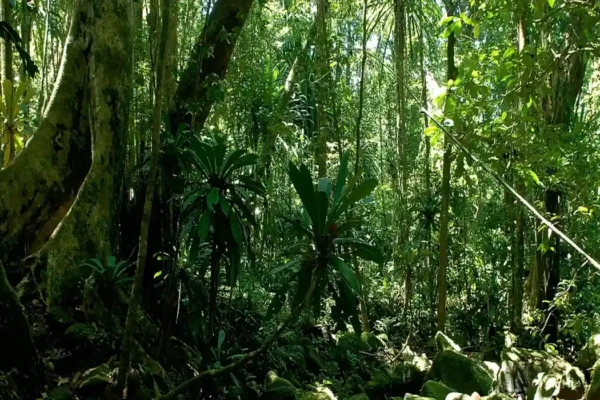
Masoala is the wettest place in Madagascar. It receives rain year-round. This is why the forest is so green.
- September to December: Generally considered the best time. It is the driest period (though expect rain), the sea is calmer, and wildlife is active.
- July to September: Whale Season. It is cooler and wetter, but seeing the humpbacks makes it worth it.
- January to March: Cyclone season. The park is often inaccessible. Most lodges close during this time.
What to Pack:
- Rain Gear: Essential. A high-quality poncho and a waterproof bag for your camera.
- Quick-dry Clothing: Cotton will never dry here. Bring synthetic hiking clothes.
- Tevas/Water Shoes: You will be getting in and out of boats (wet landings) and walking on beaches.
- Insect Repellent: Mosquitoes are present, though the sea breeze at the lodges helps.
- Leech Socks: Like all rainforests in Madagascar, there are leeches. They are harmless but annoying.
11. Culture and Community
The peninsula is inhabited by the Betsimisaraka people (“The Many Inseparable”). Their culture is tied to the forest and the sea. They cultivate vanilla, cloves, and rice.
One of the challenges of Masoala is balancing conservation with the needs of the local population. Illegal logging (specifically for rosewood) and slash-and-burn agriculture (tavy) are constant threats.
- Sustainable Tourism: By staying at established lodges and paying park fees, you contribute to the local economy. Many lodges employ staff from the local villages (Ambodiforaha), proving that the forest is more valuable standing than cut down.
12. Conclusion: The Ultimate Adventure
Masoala National Park is not for everyone. It is expensive to reach, the logistics can be frustrating, and you will get wet.
But it offers something that is disappearing rapidly from our planet: true wilderness.
To sit on a boulder at the edge of the Indian Ocean, watching a humpback whale breach while a Red Ruffed Lemur calls from the tree behind you, is a sensory overload that defines the magic of Madagascar. It is a place where the prehistoric past meets the present, a Jurassic Park without the fences.
If you are willing to brave the journey, Masoala will reward you with the most intense, vibrant, and life-affirming nature experience of your life. It is the green heart of the island, beating to the rhythm of the tides and the rain.