“`html
Discover the History, Beaches, Marine Life, and Pirate Lore of Île Sainte-Marie (Nosy Boraha), Madagascar
Nestled on a narrow peninsula at the southeastern tip of Madagascar, the town of Île Sainte-Marie (Malagasy: Nosy Boraha) is a destination of breathtaking contrasts and often-overlooked beauty. Framed by the rugged, forest-clad Pic St Louis and the endless expanse of the Indian Ocean, this remote region offers a unique blend of stunning natural landscapes, fascinating French colonial history, and some of the most spectacular and untouched beaches on the island. Unlike the more frequented destinations of Nosy Be, Île Sainte-Marie provides an off-the-beaten-path adventure for travelers seeking authenticity, world-class surfing, and incredible biodiversity, including its own “ring-tailed” lemurs. This comprehensive guide explores everything you need to know: from its epic beaches and must-visit attractions to its complex history and essential travel tips.
Unpacking the Name: Tôlanaro vs. Fort Dauphin
The town carries two names, a testament to its layered history:
- Fort Dauphin: The name given by the French in 1643 when they established their first settlement on the island here. It was named in honor of the future King Louis XIV, then the Dauphin of France.
- Tôlanaro: The original and official Malagasy name for the area, now used interchangeably.
For SEO and travel planning, both names are crucial. International audiences and historical contexts often use “Fort Dauphin,” while “Tôlanaro” is used locally and on official maps.
A Journey Through Time: The Colonial History of Île Sainte-Marie
The history of Île Sainte-Marie is a dramatic and often tragic tale of early colonial ambition. In 1643, the French East India Company established a fort here, making it the first attempted European settlement in Madagascar. The colonists, led by Étienne de Flacourt, faced immense hardship—disease, famine, and conflict with the local Antanosy people. The settlement struggled for decades before being abandoned in 1674.
This failed colony left behind a legacy, including the name and the ruins of the original Fort Flacourt, which can still be seen on the summit of Pic St Louis. This history is a defining chapter, marking the beginning of European influence on the island and making Île Sainte-Marie a site of significant historical interest.
A Paradise of Beaches: From Libanona to Lokaro
The Île Sainte-Marie region is renowned for its diverse and stunning coastline, catering to surfers, swimmers, and solitude-seekers alike.
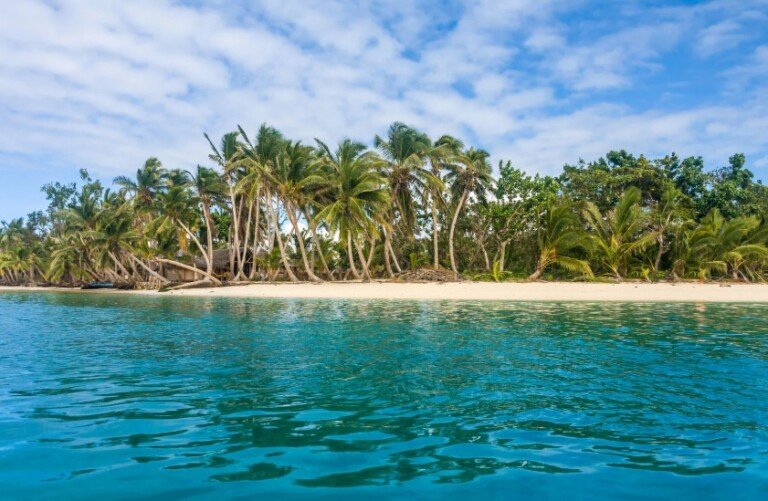
- Libanona Beach: The most famous beach, located right next to the town. This beautiful curved bay is perfect for swimming, sunbathing, and enjoying spectacular sunrises. It’s lined with hotels and restaurants, making it the most accessible option.
- Loky Bay (Baie de Loky): A world-renowned surfing destination located about 20km north of town. It offers consistent, powerful waves that attract experienced surfers from across the globe. The bay itself is wildly beautiful and remote.
- Lavanono Beach: Another surfer’s paradise further north, known for its long, peeling left-hand point break. The journey there is an adventure in itself, taking you through authentic rural landscapes.
- Shipwreck Beach (Ankarena): A dramatic and picturesque beach known for the rusting shipwreck that sits just offshore, creating a fantastic subject for photography.
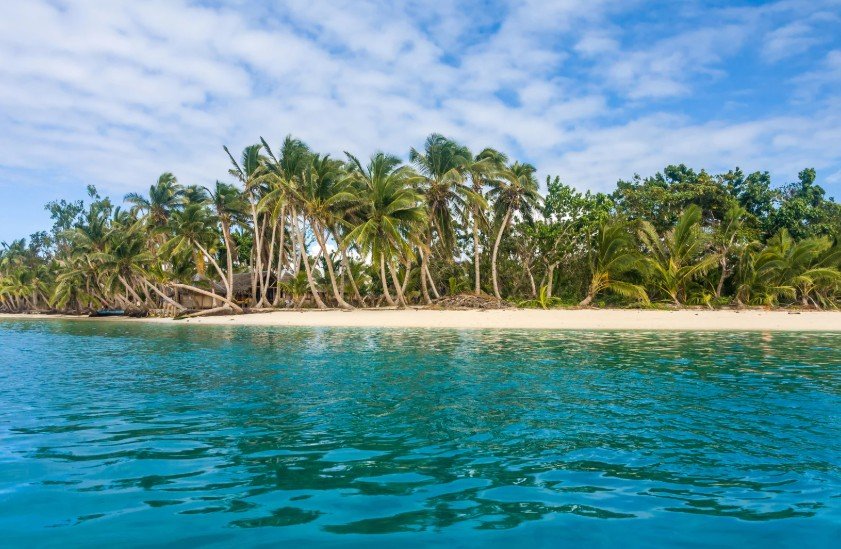
- Baie de Lokaro: For the ultimate secluded getaway, a boat trip to Lokaro is essential. This vast, pristine bay with white-sand beaches and crystal-clear water is surrounded by lush vegetation and feels like a true desert island.
Must-Visit Attractions and Natural Wonders
Beyond the beach, the region is rich in natural and cultural attractions.
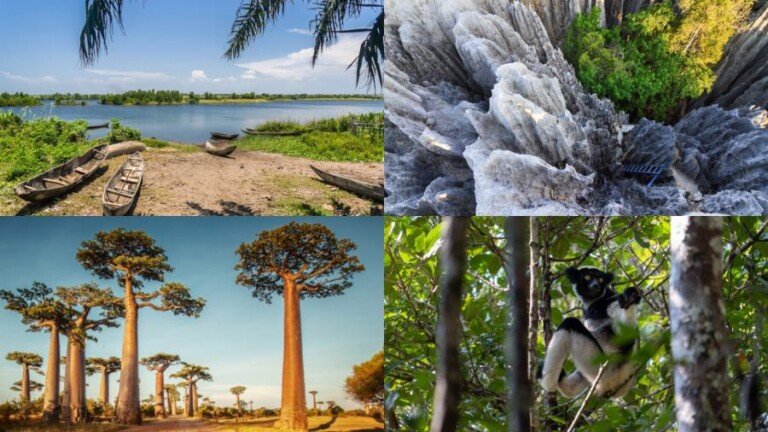
- Nahampoana Reserve (Station Forestière de Nahampoana): Often mislabeled as a “botanical garden,” this private reserve is an absolute must-do. It’s one of the easiest places in all of Madagascar to see ring-tailed lemurs and verreaux’s sifakas (dancing lemurs) in a semi-wild environment. The beautifully maintained paths also showcase a huge variety of endemic plants, including massive baobabs, traveller’s palms, and a sacred crocodile lake.
- Pic St Louis: The iconic mountain that looms over the town. The hike to the summit is challenging but rewards you with panoramic 360-degree views of the peninsula, the ocean, and the surrounding mountains. The ruins of Fort Flacourt are at the top.
- Berenty Private Reserve: While a 3-4 hour drive from Île Sainte-Marie, no guide to the region is complete without mentioning Berenty. This world-famous reserve is a flagship destination for wildlife viewing, offering guaranteed close encounters with troops of ring-tailed lemurs, sifakas, and a dense, spiny forest ecosystem.
- The French Mountain (Pic de Français): Another excellent hiking destination offering stunning views and a chance to explore the unique “littoral forest” that clothes the mountains around the town.
Unique Flora and Fauna: A Biodiversity Hotspot
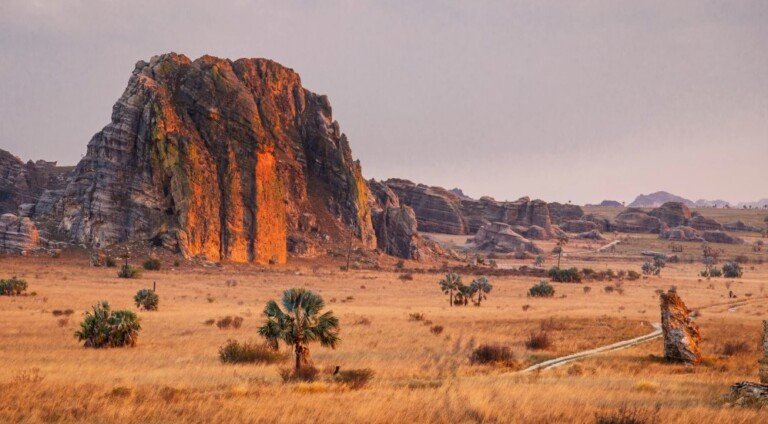
The Île Sainte-Marie region is part of the Madagascar spiny thicket and littoral forest ecoregions, hosting an array of endemic species.
- Lemurs: The star attractions are the ring-tailed lemur and the verreaux’s sifaka. The region is also home to mouse lemurs and sportive lemurs.
- Reptiles & Amphibians: The spiny forests are home to an incredible diversity of chameleons (including the giant Oustalet’s chameleon), geckos, snakes, and frogs.
- Plants: The landscape is dominated by unique xerophytic plants adapted to the dry climate. Look for the bizarre elephant’s foot plant (Pachypodium rosulatum), various aloes, and the iconic triangle palm (Dypsis decaryi).
The Marine Life: Whales, Coral Reefs, and Biodiversity
The waters surrounding Île Sainte-Marie are not just historically significant; they are a vibrant, living highlight for nature enthusiasts. The island is one of the best places on Earth to witness one of nature’s most magnificent migrations.
- The Humpback Whales: Between July and September, hundreds of Southern Hemisphere humpback whales migrate over 5,000 kilometers from their feeding grounds in the frigid Antarctic to the warm, shallow, and protected waters around Île Sainte-Marie. They come here for a singular purpose: to breed and give birth. Whale-watching tours during this season offer a breathtaking and emotionally moving opportunity to see these majestic mammals in their natural nursery. Observers are treated to spectacular displays of breaching, tail-slapping, and socializing. The sight of a mother nurturing her newborn calf is an unforgettable experience that highlights the importance of the island as a critical conservation site.
- Coral Reefs and Marine Diversity: The island is surrounded by a vibrant and largely healthy coral reef system teeming with life. The clear, calm waters inside the lagoon make it an ideal and accessible destination for snorkeling and diving. Exploring these reefs reveals a mesmerizing world of colorful reef fish (angelfish, parrotfish, clownfish), sea turtles (green and hawksbill are common), graceful eagle rays, moray eels, and a diverse array of hard and soft corals.
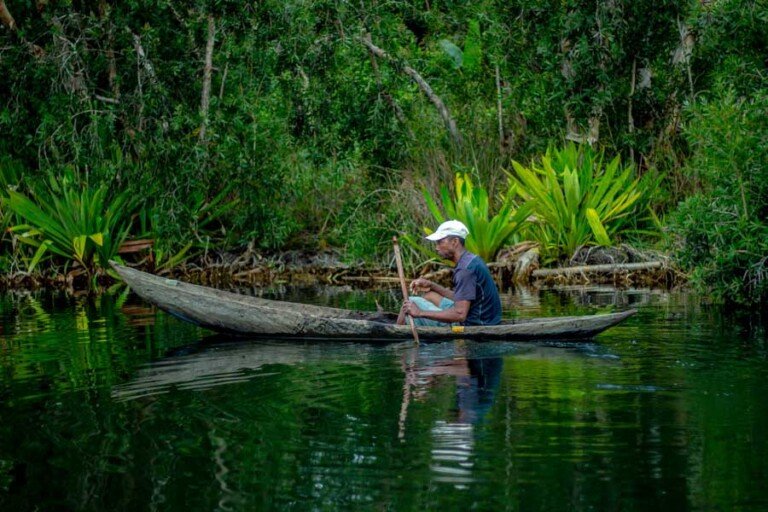
- Mangrove Ecosystems: Fringing parts of the coastline are extensive mangrove forests. These ecosystems are crucial, acting as nurseries for juvenile fish and invertebrates, filtering runoff from the land, and protecting the shoreline from erosion. A pirogue trip through the silent, tangled waterways of the mangroves offers a unique eco-tour and a chance to spot birdlife and other creatures.
Key Attractions and Activities: Walking Through History and Nature
Beyond simple beach lounging, Île Sainte-Marie offers a range of unique activities that are steeped in its history and natural abundance.
- The Pirate Cemetery: Located on a small, rocky islet just offshore from Ambodifotatra and accessible by a causeway at low tide, this is one of the island’s most poignant and famous sites. The weathered, coral-rock tombs, adorned with skull-and-crossbones motifs and dating back to the 17th and 18th centuries, are the final resting place for many of the era’s infamous pirates. Walking among them offers a powerful, tangible connection to the island’s swashbuckling past.
- Ambodifotatra: The island’s main town and administrative capital is a charming, sleepy port town. Its main attractions include the old French colonial buildings and Madagascar’s oldest standing Catholic church, a simple but historic whitewashed building constructed in 1857.
- Whale Watching: The primary draw for many visitors. Numerous reputable and eco-conscious operators run boat tours during the whale season (July-Sept), adhering to strict guidelines to ensure the animals are not disturbed.
- Exploring by Scooter or Bicycle: The best way to truly discover the island’s hidden beaches, small fishing villages (villages de pêcheurs), lush interior pathways, and scenic viewpoints is by renting a scooter or bicycle. The slow pace allows for spontaneous stops and genuine interactions with the friendly local population.
- Vanilla and Spice Plantations: The island’s fertile soil is perfect for growing vanilla, cinnamon, and other spices. Visiting a local plantation provides insight into one of the region’s most important agricultural exports and the intricate process of vanilla cultivation.
Conclusion: Why Île Sainte-Marie Is a Unique and Enduring Gem
Île Sainte-Marie (Nosy Boraha) is far more than just a beautiful beach destination. It offers a rare and powerful blend of unspoiled natural beauty, incredible wildlife encounters, and a history that feels more like living legend than a chapter in a textbook. It is a place where a traveler can literally walk in the footsteps of pirates one moment, watching the sunset over a bay where their ships once anchored, and then witness the awe-inspiring spectacle of humpback whales nurturing their young the next.
From its pristine, palm-fringed beaches and lush, mysterious rainforests to its rich cultural tapestry—a unique fusion of Malagasy, pirate, and French colonial influences—and its world-class marine life, Île Sainte-Marie provides a profoundly unforgettable experience. It is a destination that operates on “mora mora” (slowly, slowly) time, urging visitors to disconnect, immerse themselves, and appreciate the layers of stories embedded in its soil and seas. It stands as a tranquil, captivating, and utterly unique jewel in the Indian Ocean, a place that perfectly embodies the mysterious spirit and unparalleled allure of Madagascar itself.