
Anakao – a Vezo fishing village with turquoise lagoons, coral reefs and endless beaches
Anakao, located about one hour south of Toliara by speedboat, has over the years become one of Madagascar’s best‑known beach destinations. Despite this, the village still feels more like a real Vezo fishing village than a purpose‑built tourist resort. Pirogues are still pulled up directly on the sand and many mornings begin with fishermen mending nets, drying octopus or repairing engines beside their houses.
The crossing from Toliara already sets the tone. Boats depart directly from the water, about 50 metres from the beach, often loaded with sacks of rice, boxes of fish, coolers and travellers trying to protect cameras from the salty spray. Some days the sea is completely calm. Others much less so.
What truly defines Anakao is the lagoon. The coral reef protects the coast from the strong swell and keeps the water relatively calm near the beach for much of the year. At low tide, enormous sandbanks and long turquoise channels emerge between the corals. In the middle of the day the light reflected off the white sand and water can become almost blinding.
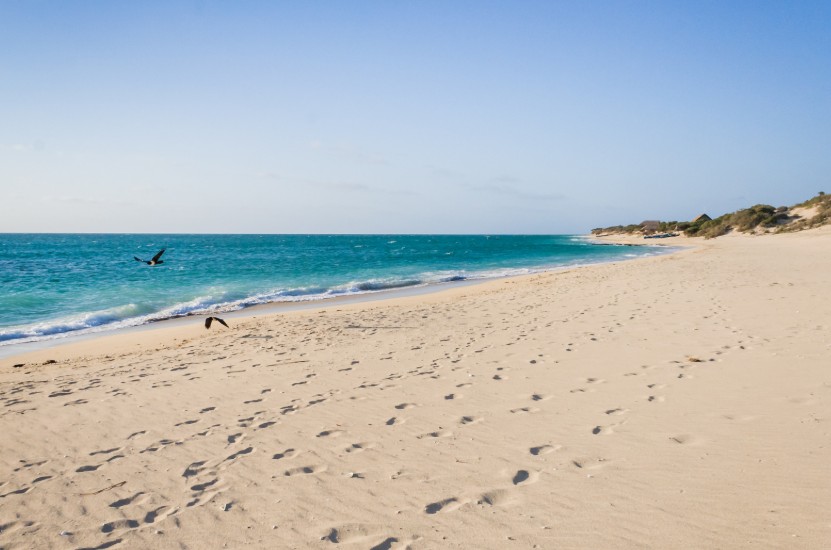
The beaches south of the village seem endless. Dunes, dry grass, a few scattered pirogues and very few buildings outside the main hotel zone. You can walk for kilometres encountering only old fishermen’s camps or someone collecting shellfish near the lagoon.
Many travellers arrive here tired after long journeys through southern Madagascar. Laterite dust everywhere, heat, whole days in the car. That is why the pace quickly slows down in Anakao.
Geography and landscapes
Anakao sits on Madagascar’s south‑western coast, about 1 hour by speedboat south of Toliara. The village lies on a narrow strip of land between the turquoise lagoon and the open ocean, with long sandy beaches stretching both north and south.
The lagoon is protected by an offshore coral reef that creates calm, shallow waters perfect for swimming, snorkelling and boating. The reef also harbours rich marine life, including tropical fish, sea turtles and, between June and September, migrating humpback whales.
To the north, Saint Augustin Bay offers mangroves, estuaries, caves and small Vezo villages. Inland, the track to Tsimanampetsotsa National Park crosses spiny forest and arid landscapes where flocks of flamingos feed around the salt lake.
The area south of the village is dominated by dunes, dry grass and pristine, undeveloped beaches stretching for kilometres with very few buildings.
Trails and activities
Snorkelling and diving
Snorkelling near the coral reef around Nosy Ve is the most famous excursion, offering excellent visibility during the dry season. Scuba diving offshore reveals tropical fish, sea turtles and occasional dolphins. Between June and September, humpback whales migrate along this coast and are regularly spotted from boats departing the village.
Nosy Ve
A small offshore islet with crystal‑clear waters, a coral reef, seabirds and white sandy beaches. It is one of the most popular day trips from Anakao.
Saint Augustin Bay
To the north, the bay offers mangroves, estuaries, caves and small Vezo villages. Explore by boat or on foot and visit the nearby caves for a glimpse of local history and geology.
Beach and dune walks
Walk for kilometres south of Anakao along endless beaches, passing old fishermen’s camps, dunes and pristine coastline. The area is quiet and largely undeveloped.
Fishing villages
Visit neighbouring Vezo fishing villages to see traditional life, including pirogue building, net mending and octopus drying.
Tsimanampetsotsa National Park
Inland, the park protects spiny forest, baobabs, flamingos and the salt lake. It is a full‑day excursion from Anakao.
Best time to visit
The best time to visit Anakao generally runs from April to November during the dry season, when the weather is sunny, the sea is calm and snorkelling conditions are excellent.
Between December and March, temperatures rise and tropical rains can occasionally affect access, although the landscape becomes greener.
Practical tips
- The ferry from Toliara takes about 1 hour and departs daily at 9:30.
- In 2026, Madagascar Airlines flights back to Antananarivo are almost always scheduled for the very early morning or evening after 8:00 PM.