
Ranomafana National Park – rainforest, bamboo lemurs and thermal springs of south‑eastern Madagascar
Ranomafana National Park is one of the jewels of eastern Madagascar, famous for its mid‑altitude rainforest, sulphurous thermal springs and exceptional biodiversity. Created in the late 1980s after the discovery of the golden bamboo lemur, it has become a benchmark for scientific research and conservation, while remaining relatively accessible to travellers.
Spread over hills covered in dense forest, criss‑crossed by rushing rivers, waterfalls and shady trails, Ranomafana National Park offers a genuine immersion in Madagascar’s humid forest. It strikes an excellent balance between wildlife watching, good accommodation facilities in the nearby village and trails suitable for walkers of different abilities.
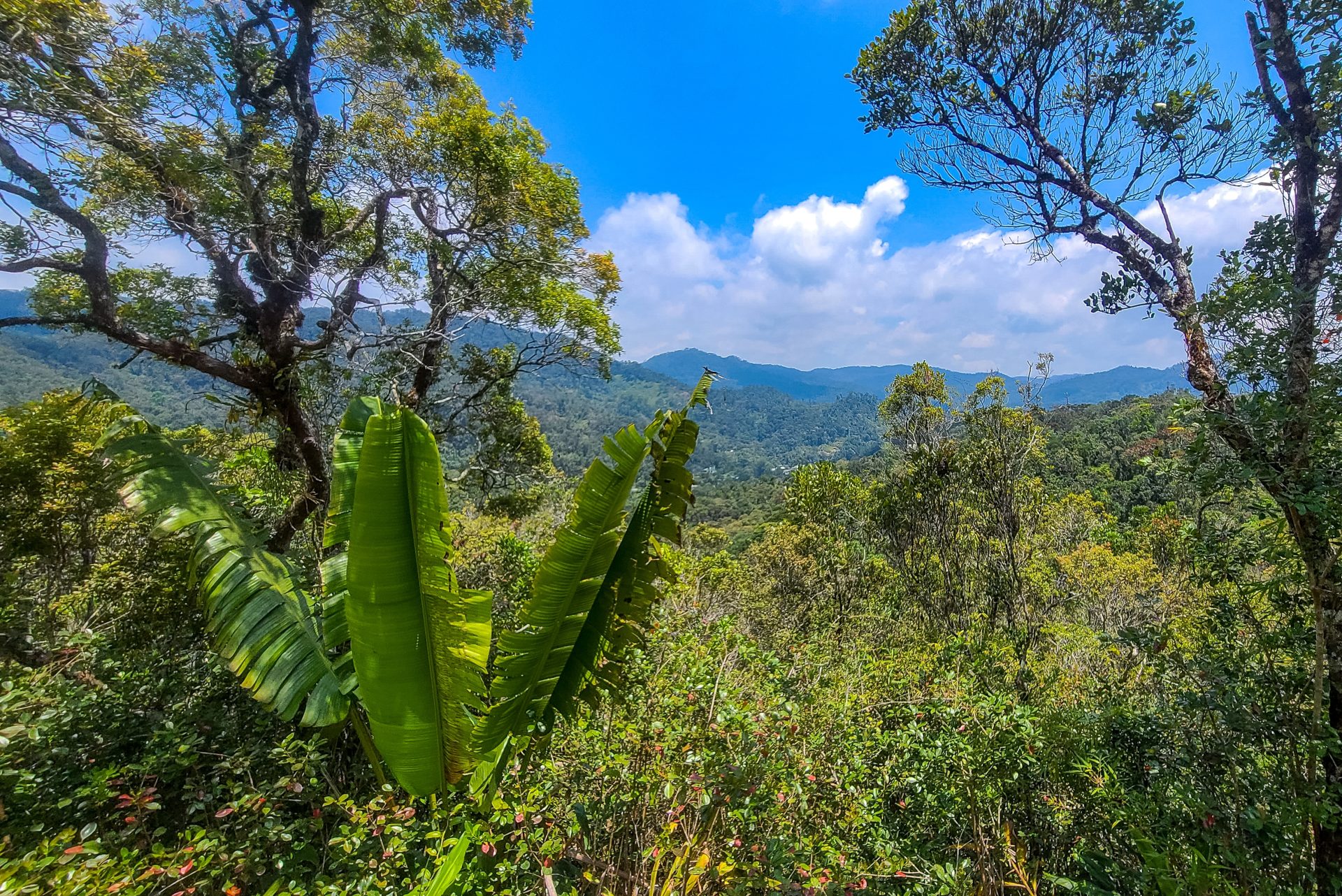
Geography and landscapes of the park
Ranomafana National Park lies in the Vatovavy region, south‑east of the Highlands, about 65 km north‑east of Fianarantsoa, near the village of Ranomafana.
- Area of approximately 41,600 ha of rainforest and hills.
- Relief of deep valleys and steep slopes, with rivers, rapids and waterfalls.
- Altitude ranging from about 600 to 1,400 m, dominated by mid‑altitude forest.
- Warm, very humid climate, with a marked rainy season (especially November–April) and a “dry season” that still remains damp.
- The park is crossed by the Namorona River and numerous tributaries, creating waterfalls and natural pools.
The landscape consists of hills cloaked in dense forest, viewpoints over the Namorona valley and areas of thermal springs that gave the park its name (“Ranomafana” means “hot water”).
Trails and circuits
The trails of Ranomafana National Park (guide compulsory) are varied and suitable for different walking levels:
- Short circuits near the entrance: 1–3 hour walks in the forest to discover flora, waterfalls and diurnal lemurs.
- Varibolomena Circuit: a moderately difficult loop, ideal for spotting lemurs, birds and amphibians.
- Sahamalaotra Circuit: a longer, steeper route that penetrates deeper into the forest for a wilder experience.
- Night walks (on the edge of the park): guided outings along the road or in designated areas to see nocturnal lemurs, chameleons and frogs.
- Full‑day treks: for keen hikers, to more remote and peaceful parts of the park.
Trails can become muddy and slippery, especially during or after rain.
Wildlife
Ranomafana National Park is one of Madagascar’s main biodiversity hotspots, particularly for rainforest lemurs, birds, reptiles and amphibians.
Key species:
- Golden bamboo lemur (Hapalemur aureus), the flagship species discovered here in the 1980s
- Greater bamboo lemur (Prolemur simus), rare and threatened
- Other lemurs: red‑fronted brown lemur (Eulemur rufifrons), red‑bellied lemur (Eulemur rubriventer), Milne‑Edwards’ sifaka (Propithecus edwardsi), several mouse lemurs (Microcebus) and other nocturnal lemurs
- High diversity of endemic forest birds
- Numerous chameleons, geckos, non‑venomous snakes and an incredible wealth of frogs (dozens of species)
Flora and vegetation
The flora of Ranomafana National Park is typical of mid‑altitude rainforests on the eastern coast:
- Dense rainforest, with tall trees, a closed canopy, lianas and a rich understorey.
- Many epiphytes: mosses, ferns, orchids and bromeliads covering trunks and branches.
- Numerous medicinal and useful plants used by local communities.
- Very lush riparian vegetation along rivers and waterfalls.
This vegetation is crucial for regulating the water cycle, protecting soils from erosion and maintaining the park’s humid microclimate.
Ecological and cultural importance
- Conservation: Ranomafana is part of the UNESCO World Heritage site “Rainforests of the Atsinanana”, of global importance.
- Scientific research: the park hosts research centres (such as ValBio) that study and protect rainforest ecosystems.
- Local communities: many surrounding villages depend on natural resources and tourism; development and environmental education projects are underway.
Access and best time to visit
About 65 km north‑east of Fianarantsoa (2–3 hours’ drive on the RN25), near the village of Ranomafana.
Best period from May to October, with slightly less frequent rain, more passable trails and pleasant temperatures. From November to April it is the height of the rainy season: heavier, more frequent showers, very muddy trails, but the forest is at its most luxuriantly beautiful.
Practical tips
- Bring sturdy, waterproof hiking boots: trails are often slippery.
- Take a light rain jacket and protection for your electronics.
- A local guide is compulsory for all excursions in the park.
- Night walks are highly recommended to observe nocturnal wildlife.