
Manakara: the tropical train city between ocean, jungle and canals
On the southeastern coast of Madagascar, where the Indian Ocean continuously crashes against long wild beaches lined with palm trees and the hills covered in tropical forest descend towards the sea, lies one of the island’s most authentic and fascinating destinations: Manakara.
Far from Madagascar’s classic tourist routes, Manakara offers a unique atmosphere of tropical rain, cyclones, colonial railways, canals and coastal life. Here time seems to slow down. Old colonial houses are slowly being swallowed by vegetation while fishermen push their pirogues through the ocean waves before dawn.
Arriving in Manakara means entering a different Madagascar. The air smells of salt, coffee, spices and wet earth. Trains still cross remote forests to reach the coast. Canals hide small villages invisible from the main roads. Everything follows a slow, tropical and deeply authentic rhythm.
History and the legendary FCE railway
Manakara was for a long time one of the most important commercial ports on Madagascar’s east coast. Before French colonization, the region was inhabited by the Antemoro, famous for their trade and for the traditional writing called sorabe.
During the colonial period, the French strongly developed coffee and spice production in the inland mountains. To connect the highlands to the coast, they built the famous FCE railway linking Fianarantsoa to Manakara.
The train crosses rainforests, waterfalls, tunnels, bridges and isolated villages. Even today, this journey remains one of the most spectacular railway experiences in Madagascar.
The Canal des Pangalanes
One of the region’s symbols is the Canal des Pangalanes, a vast network of lagoons, rivers and canals parallel to the Indian Ocean.
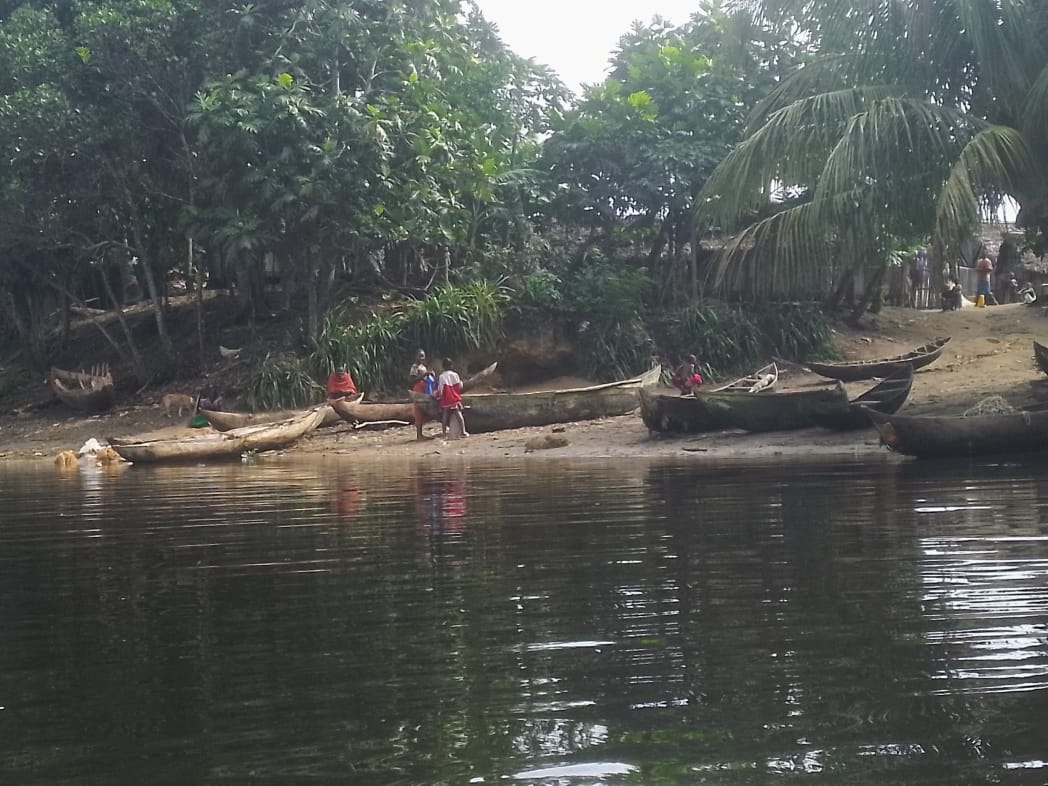
Navigating these canals allows you to discover a silent, tropical Madagascar made up of fishing villages, traditional canoes, palm trees, humid forest and daily life far from the main roads.
The atmosphere is relaxed, slow and incredibly photogenic.
A city marked by cyclones
Every year, Madagascar’s southeastern coast is hit by strong tropical cyclones. Roads, railways and crops often suffer major damage, but the population continues to live at the rhythm of the sea and fishing.
This climatic harshness has helped preserve Manakara’s authenticity, keeping it far from mass tourism and still deeply Malagasy.
Gastronomy, coffee and tropical flavors
Madagascar’s southeastern coast produces some of the island’s richest and most intense flavors. Around Manakara, the humid and fertile hills are covered with plantations of coffee, vanilla, cloves, pepper, bananas, jackfruit and lychees.
Every day, the sea brings fresh fish and seafood directly from the Indian Ocean, while rivers and canals provide crabs, prawns and other freshwater products. Local cuisine revolves around grilled fish served with rice, coconut sauces, spicy achards, tropical vegetables and ripe, flavorful fruit.
In some seasons, lobsters and crustaceans become the stars of the table, reflecting the extraordinary richness of Madagascar’s southeastern coast. The region’s coffee is also highly appreciated for its intense aroma and is often served freshly roasted in small local cafés or in people’s homes.
Eating in Manakara means savoring a cuisine deeply linked to the tropical climate and the ocean: fresh, spicy, simple and authentic.
Why Manakara leaves such a strong impression
Many travelers come to Madagascar in search of lemurs, baobabs or large national parks. Yet places like Manakara often end up becoming the most intense memories of the entire journey.
Not because they are spectacular in an obvious way, but because they feel real.
Manakara does not live for tourism. The city continues to follow its own daily rhythm. The train remains essential. The canals are still used every day. Fishing remains hard and dangerous. Cyclones continue to influence local life.
The city rewards those who travel slowly and know how to observe.
Those who decide to stay a few extra days begin to notice details impossible to grasp during a quick visit: the changing light over the canals at sunset, the scent of cloves in the markets, children running alongside the train tracks, fishermen repairing their nets under the palm trees, or the sound of tropical rain on tin roofs during the night.
This is an authentic and deeply human Madagascar that many travelers never get to know.
Conclusion
Manakara is neither a luxury destination nor a city built for easy tourism. Its charm comes precisely from its authenticity: the train, the canals, the ocean, the markets and the daily life of the southeastern coast. For those who wish to discover a slower, more tropical and truer Madagascar, Manakara is an unforgettable stop.