
Morondava – the gateway to the wild west of Madagascar
Morondava is one of the main gateways to western Madagascar. Located along the Mozambique Channel, the town is especially known for its proximity to the famous Avenue of the Baobabs, access to the Tsingy de Bemaraha National Park, and the dry forests of the Menabe region.
Morondava also serves as the starting point for remote coastal villages to the southwest such as Belo-sur-Mer and Morombe, accessible via long sandy tracks through mangroves, baobabs, lagoons, and isolated coastal plains. These routes allow visitors to discover Vezo fishing communities, deserted beaches, and some of the wildest landscapes on the Malagasy coast.
Unlike the humid tropical regions of the east, Morondava has a hot, dry climate strongly marked by the seasons. The landscapes around the town are dominated by baobabs, dusty tracks, dry forests, mangroves, and wide open spaces.
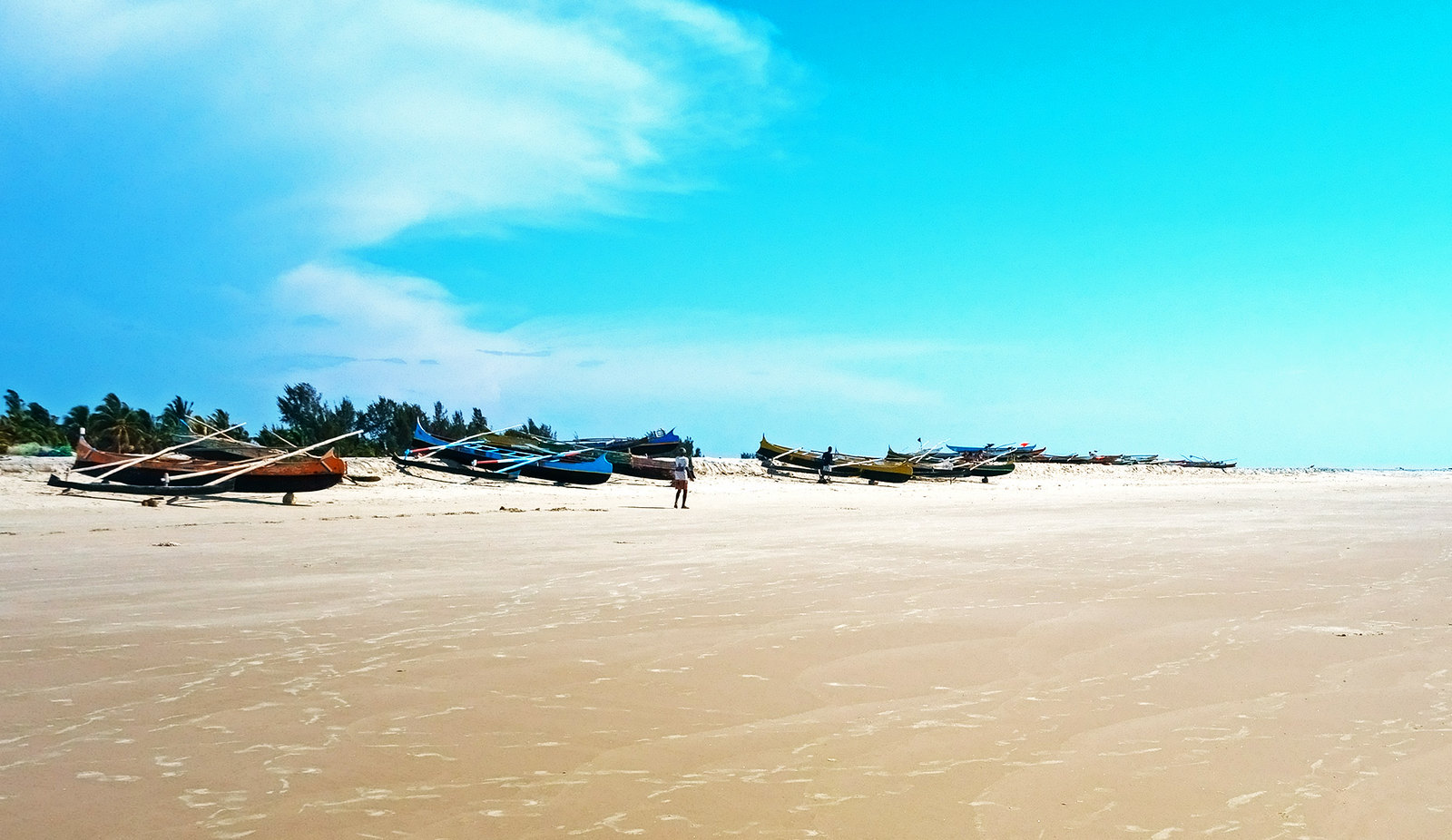
The town remains relatively small and simple. Daily life revolves around fishing, local trade, and transport to remote regions of western Madagascar. Along the beach, fishermen prepare their pirogues while markets sell fish, fruit, rice, and products from the interior.
Morondava is not a luxury beach resort. Travelers come mainly for the landscapes and access to the wild open spaces of western Madagascar.
History
The Morondava region historically belonged to the Sakalava kingdoms that dominated much of western Madagascar between the 17th and 19th centuries.
The Sakalava controlled zebu trade routes, river trade, and maritime exchanges along the Mozambique Channel. African and Arab merchants already frequented this coast long before French colonization.
Morondava gradually developed as a small fishing port and coastal trading center. Compared to other colonial towns in Madagascar, its development remained limited due to the isolation of the west and the difficulties of road access.
Sakalava culture remains very present in the region today, particularly through local traditions, villages, and tombs decorated with carved funerary posts.
The Avenue of the Baobabs
The main attraction near Morondava is the Avenue of the Baobabs, located about 20 kilometers from the town.
The site is famous for its giant Grandidier’s baobabs lined up along a dirt track used daily by locals and zebu-drawn carts.
Some trees are believed to be several hundred years old.
The best times to visit the avenue are sunrise and sunset, when the light becomes softer and the temperatures more pleasant. During the dry season, the red dust and warm light create the iconic landscapes of western Madagascar.
The avenue remains one of the most photographed places in the country.
Gateway to the Tsingy de Bemaraha
Morondava is the main starting point for land expeditions to the Tsingy de Bemaraha National Park.
The journey north involves long hours on tracks, river crossings, and isolated villages. During the rainy season, some sections become difficult to pass.
Most travelers spend a night in Bekopaka before visiting the national park.
The tsingy are formed by impressive sharp limestone formations, caves, canyons, suspended bridges, and dry forests home to endemic lemurs and reptiles.
Morondava is the last major town before these wild western regions.
Belo-sur-Mer and the southwest coast
South of Morondava, the coastal track to Belo-sur-Mer and Morombe crosses isolated landscapes where travel often depends on tides, sand, and river crossings.
Belo-sur-Mer is known for its Vezo culture and traditional wooden boat building. Large schooners and pirogues are still built by hand directly on the beach using traditional techniques.
Further south, the road to Morombe passes through baobabs, mangroves, dry forests, salt flats, and very undeveloped coastal villages.
These regions attract travelers seeking remote landscapes and a slower pace of life.
Kirindy Forest
About two hours north of Morondava lies Kirindy Forest, one of the most famous dry forests in Madagascar.
The reserve is particularly renowned for its nocturnal wildlife.
Among the species frequently observed:
- Mouse lemurs
- Sportive lemurs
- Sifakas
- Chameleons
- Owls
- Giant jumping rats
Kirindy is also one of the few places where visitors can occasionally spot the fossa, Madagascar’s main predator.
The forest ecosystem is very different from the humid rainforests of the east and is perfectly adapted to long periods of drought.
Conclusion
Morondava remains one of the main access points to the landscapes and wild regions of western Madagascar.
Between baobabs, dry forests, tsingy, Sakalava culture, isolated coastal villages, and the Mozambique Channel, the region offers a very different environment from the tropical forests of eastern Madagascar.
Morondava remains an essential base for travelers wishing to explore the west coast, the remote southwest, and the vast natural spaces of the Menabe and Melaky regions.